Elsewhere

A Day With bloodsports: An Interview on Anything Can Be a Hammer by William Green

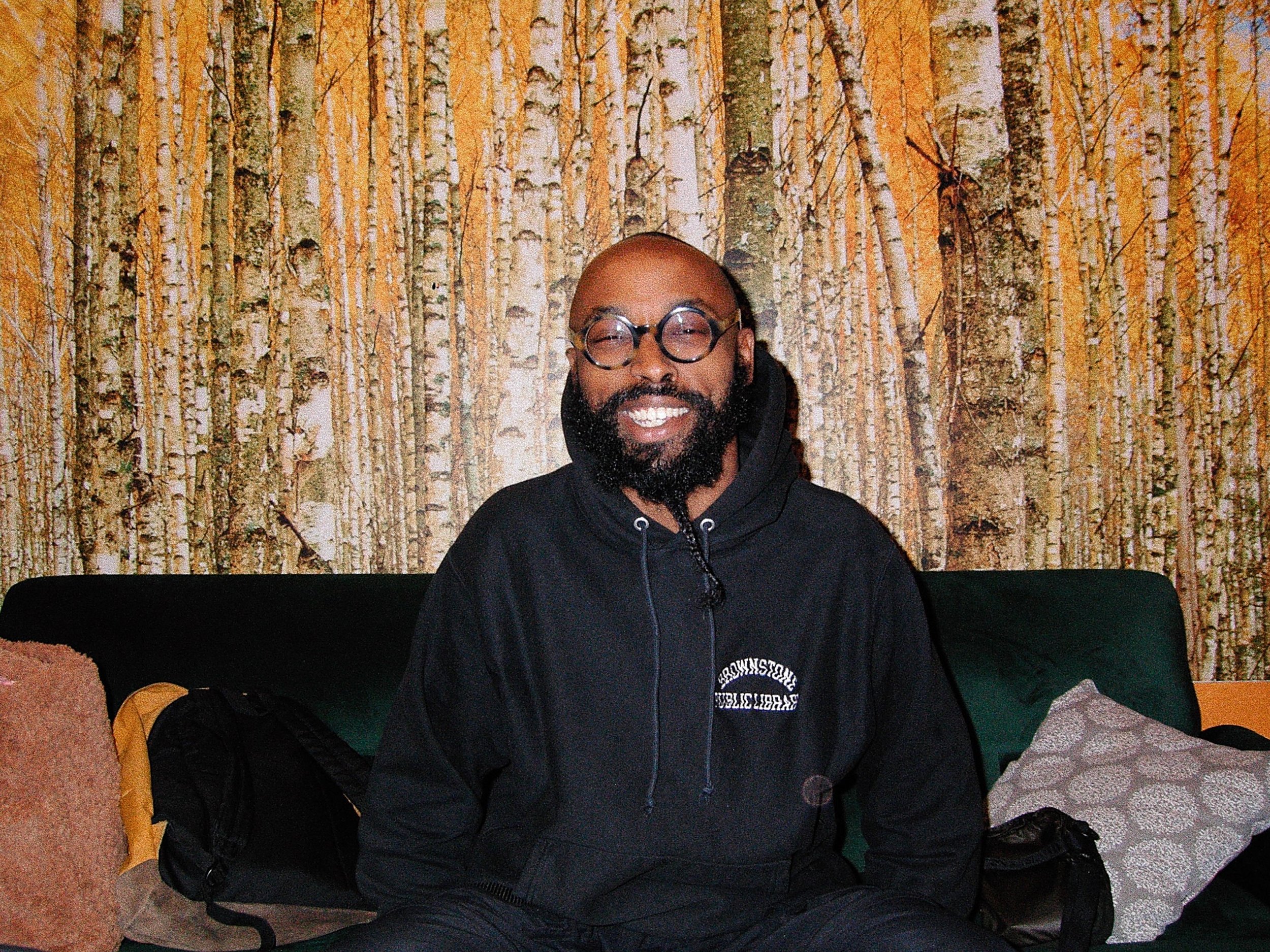
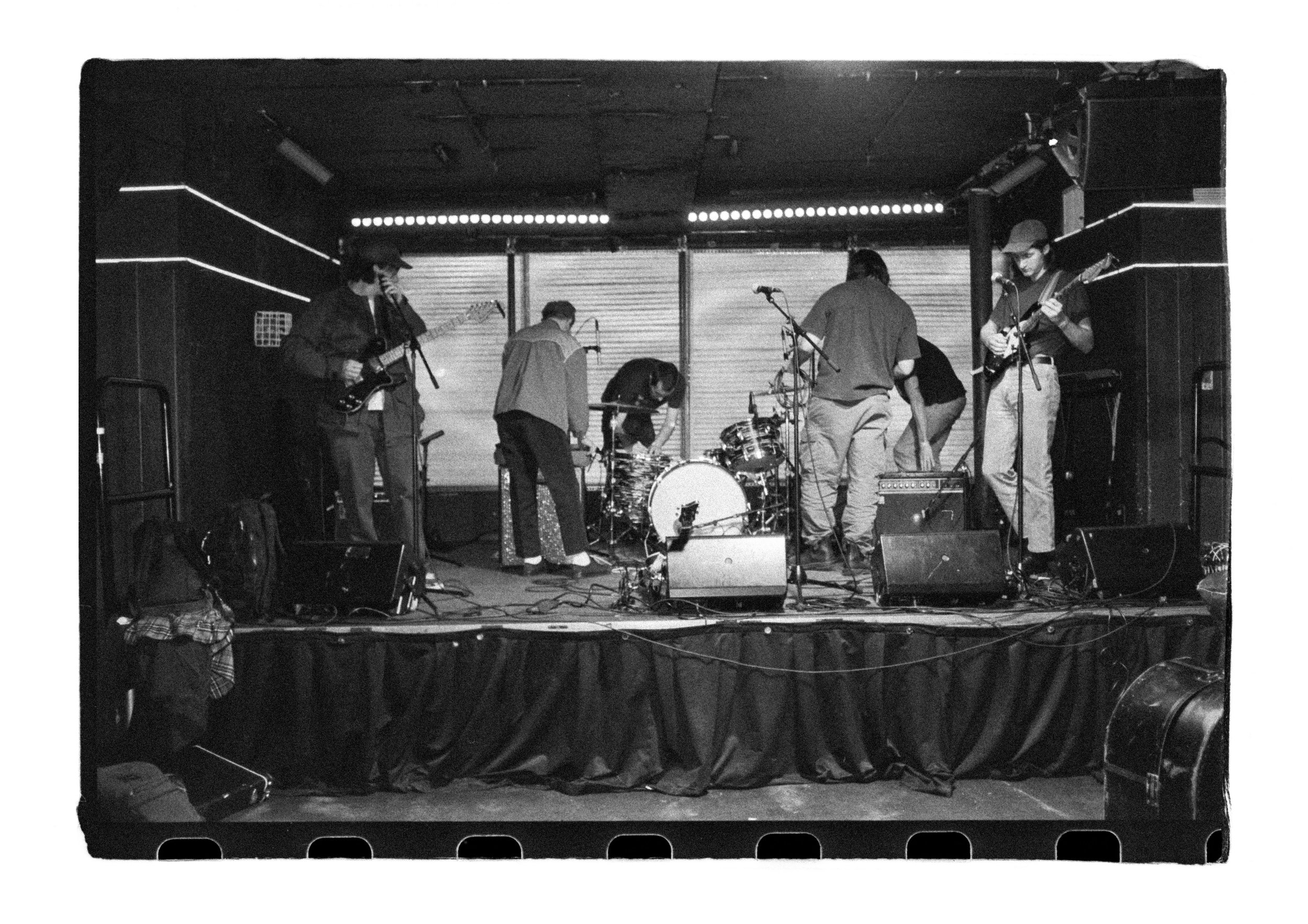
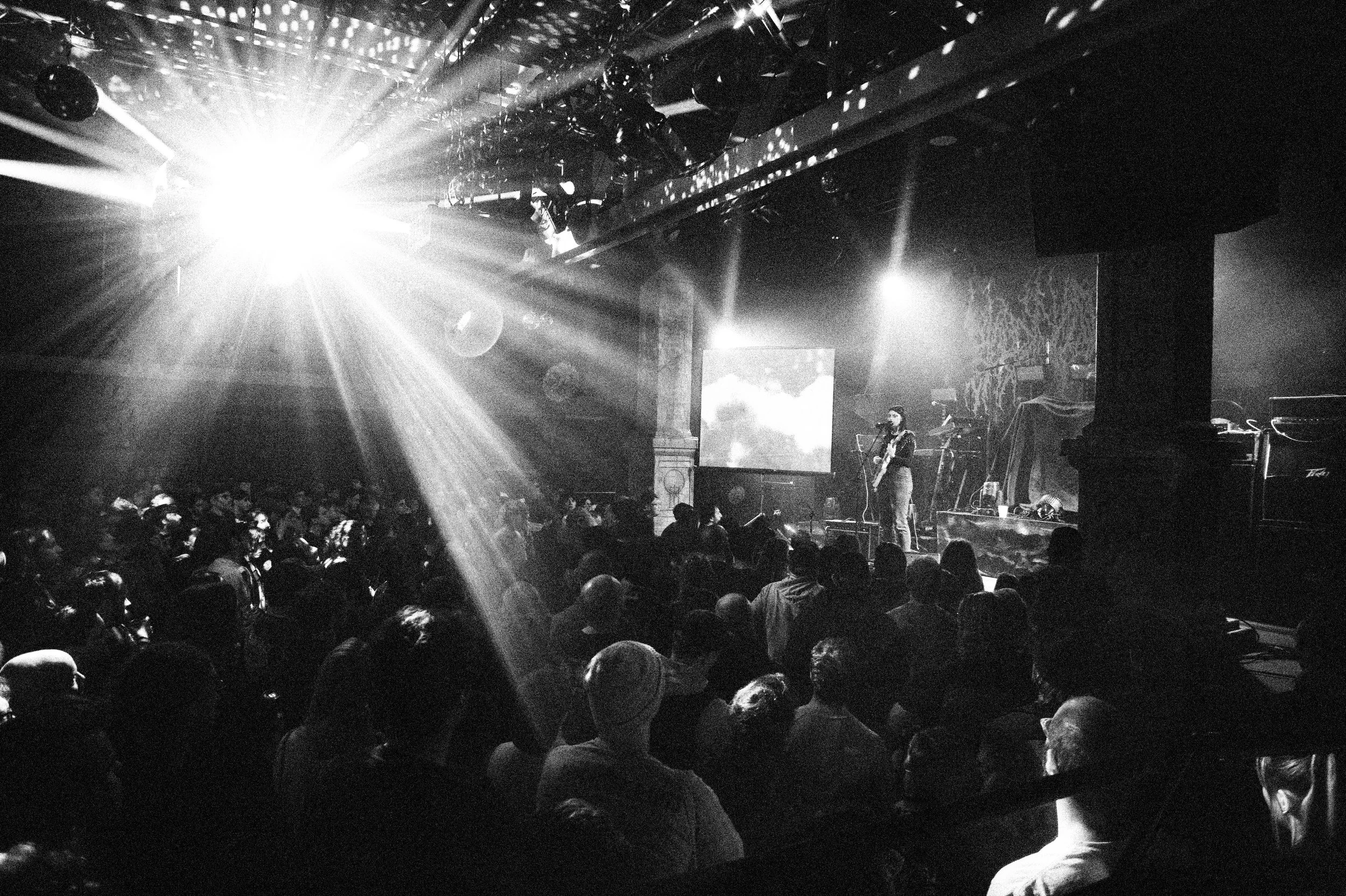
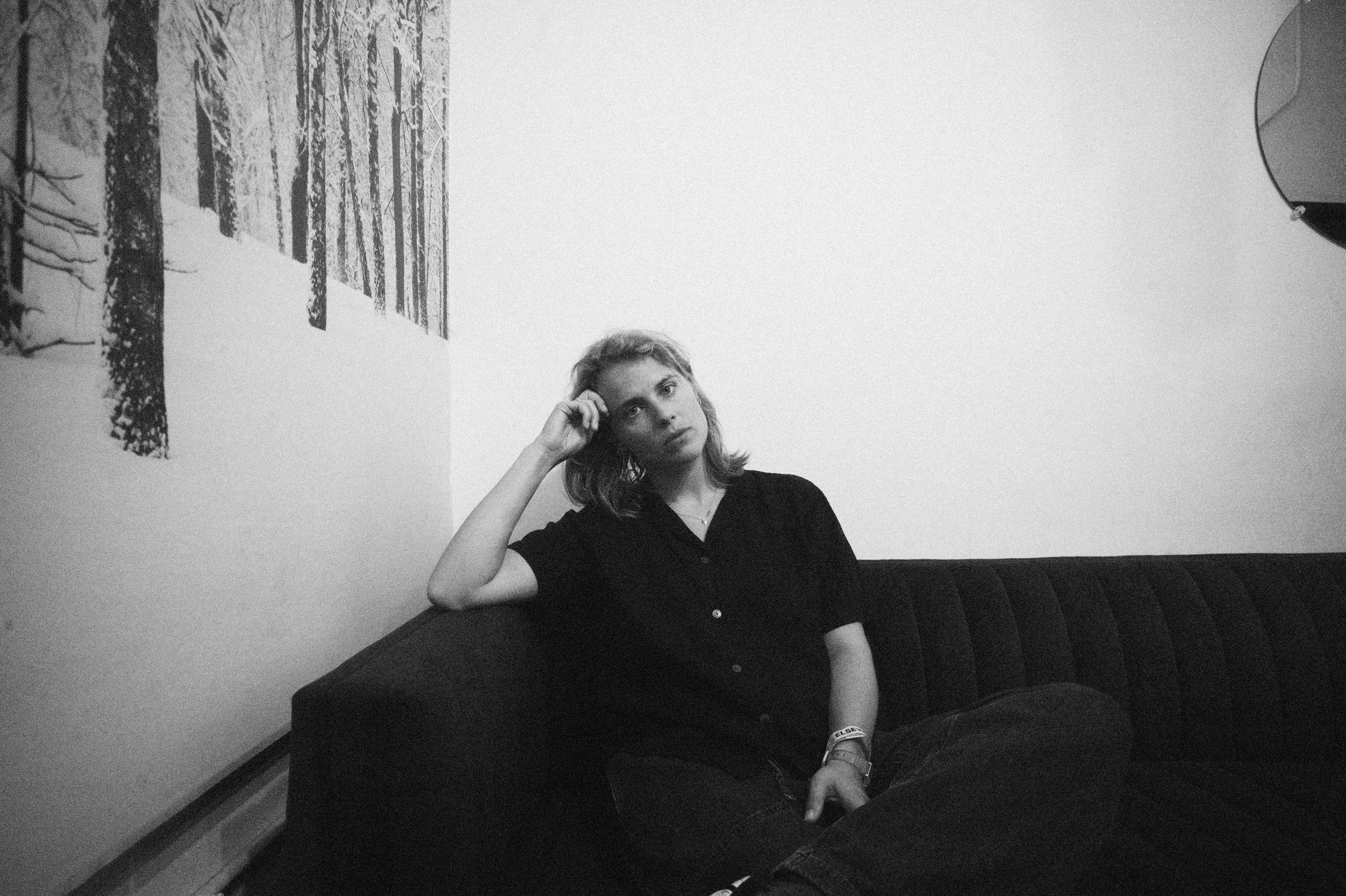
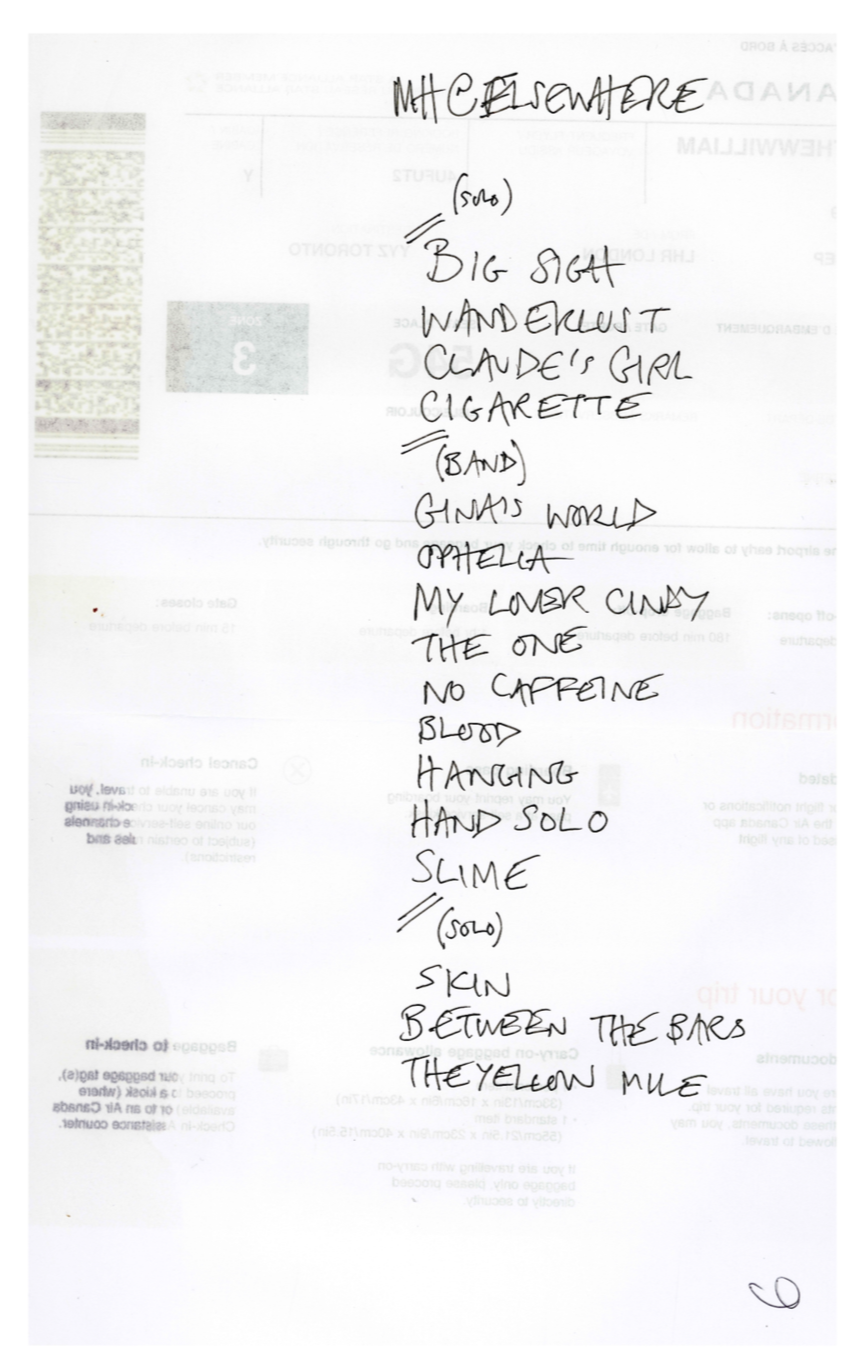
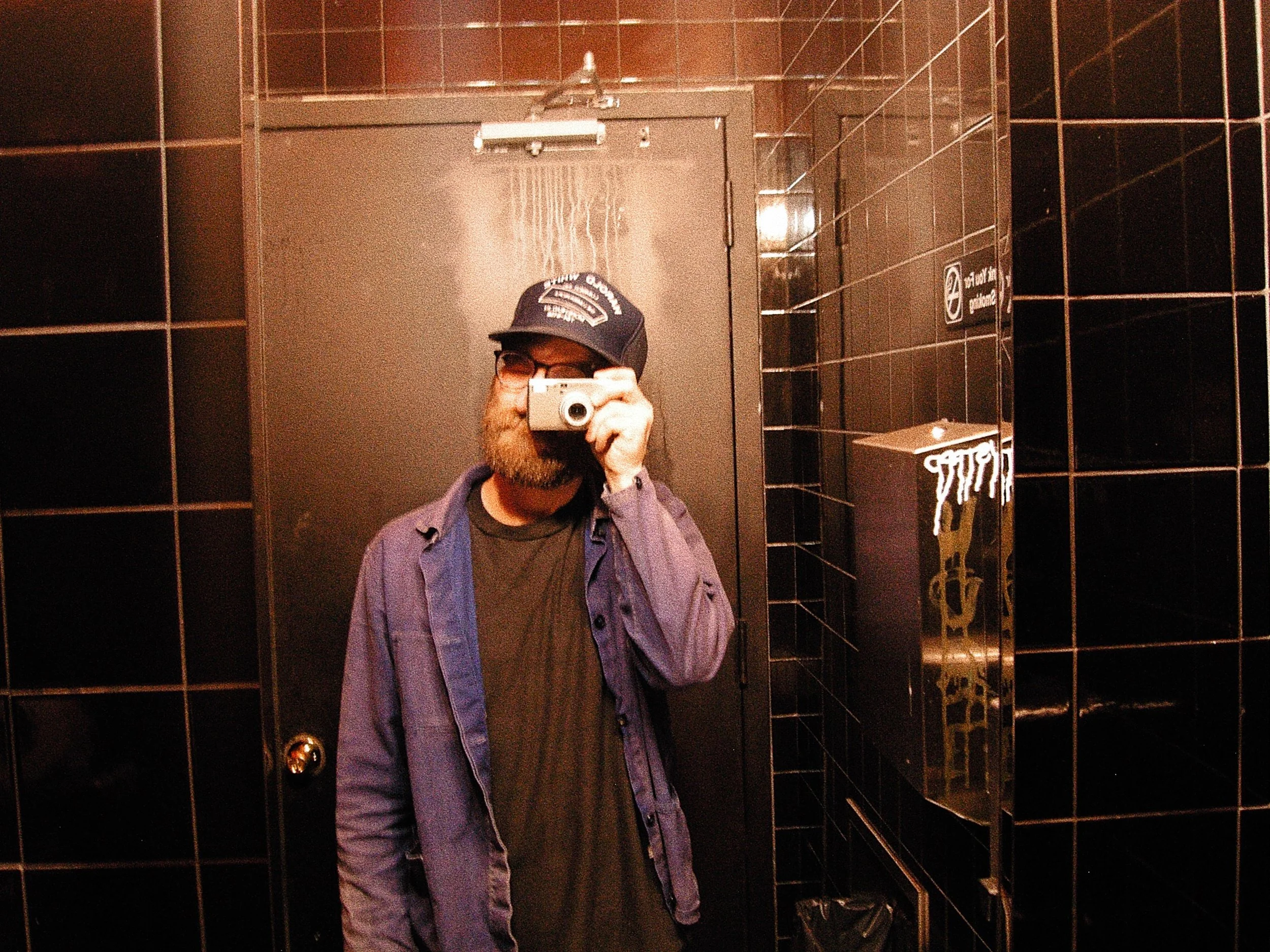
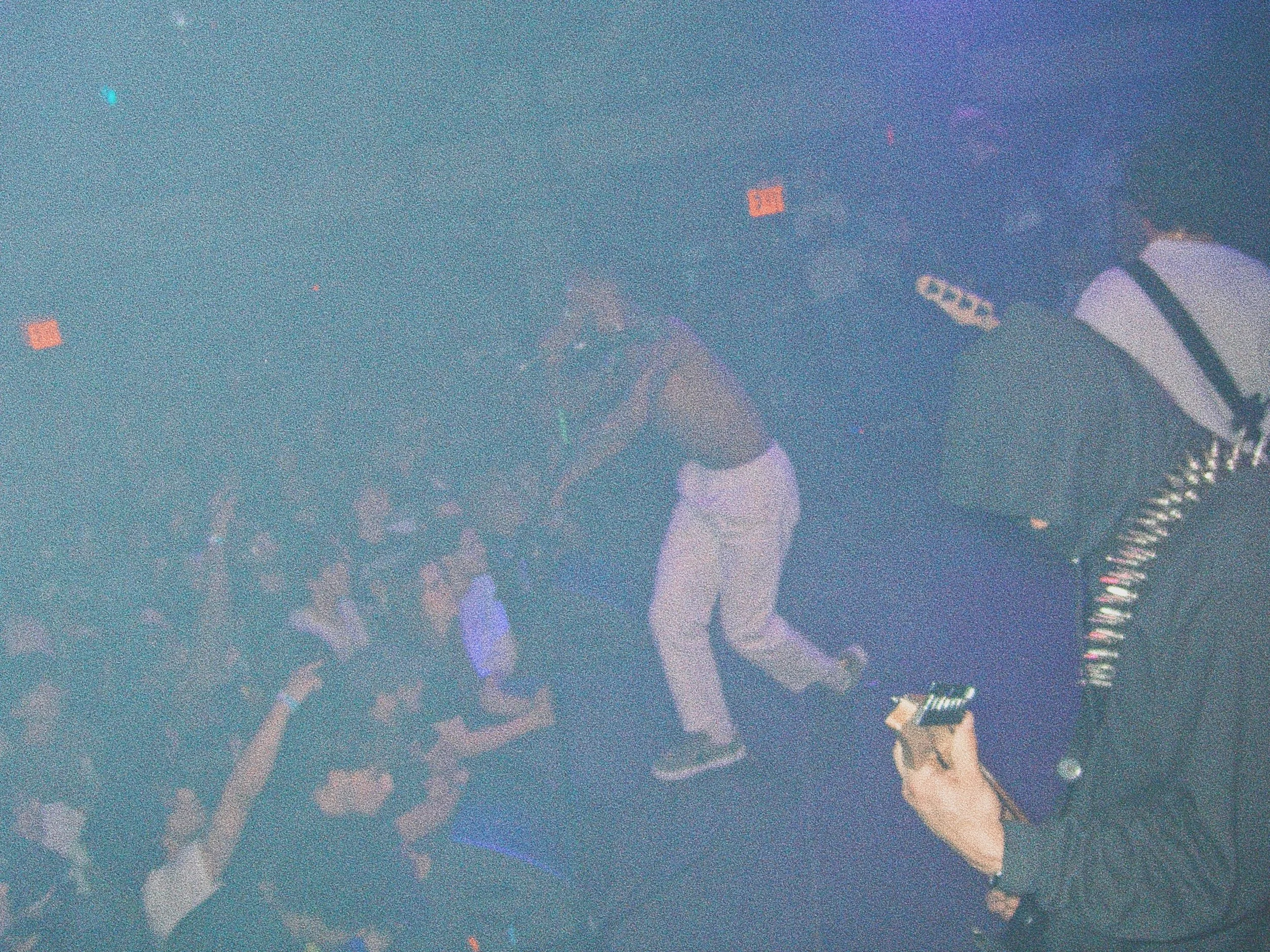
There’s a pulse at the center of bloodsports’ music, something quiet and restless that expands without warning. Their debut album “anything can be a hammer” leans into that tension. I met the band at Union Pool on the afternoon of their release show and followed the day as it unfolded, photobooth strips, monitors buzzing, the stillness before people pour in.

When the room eventually filled and the energy peaked, it was clear the record had hit a nerve.

After the show I asked them about the record and the instincts that guide their work.
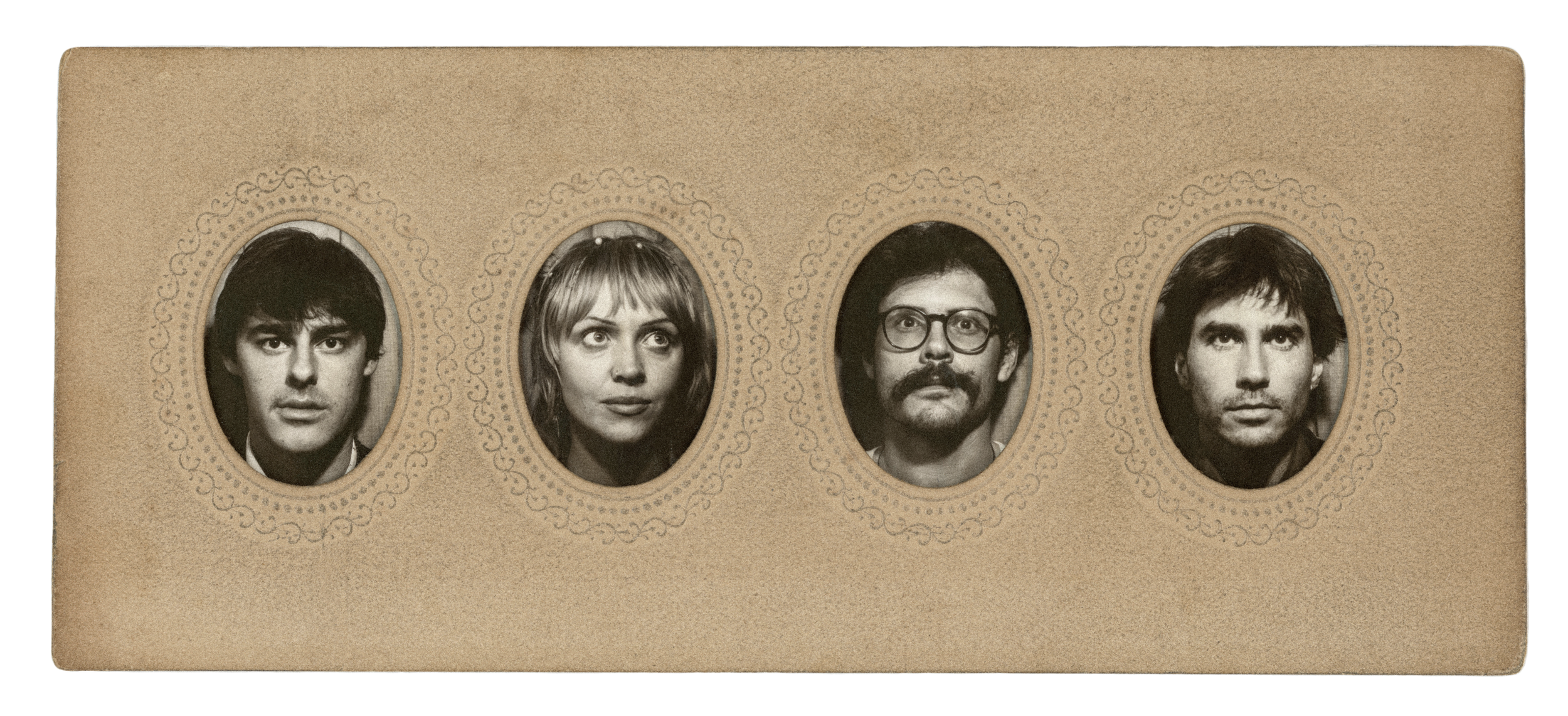
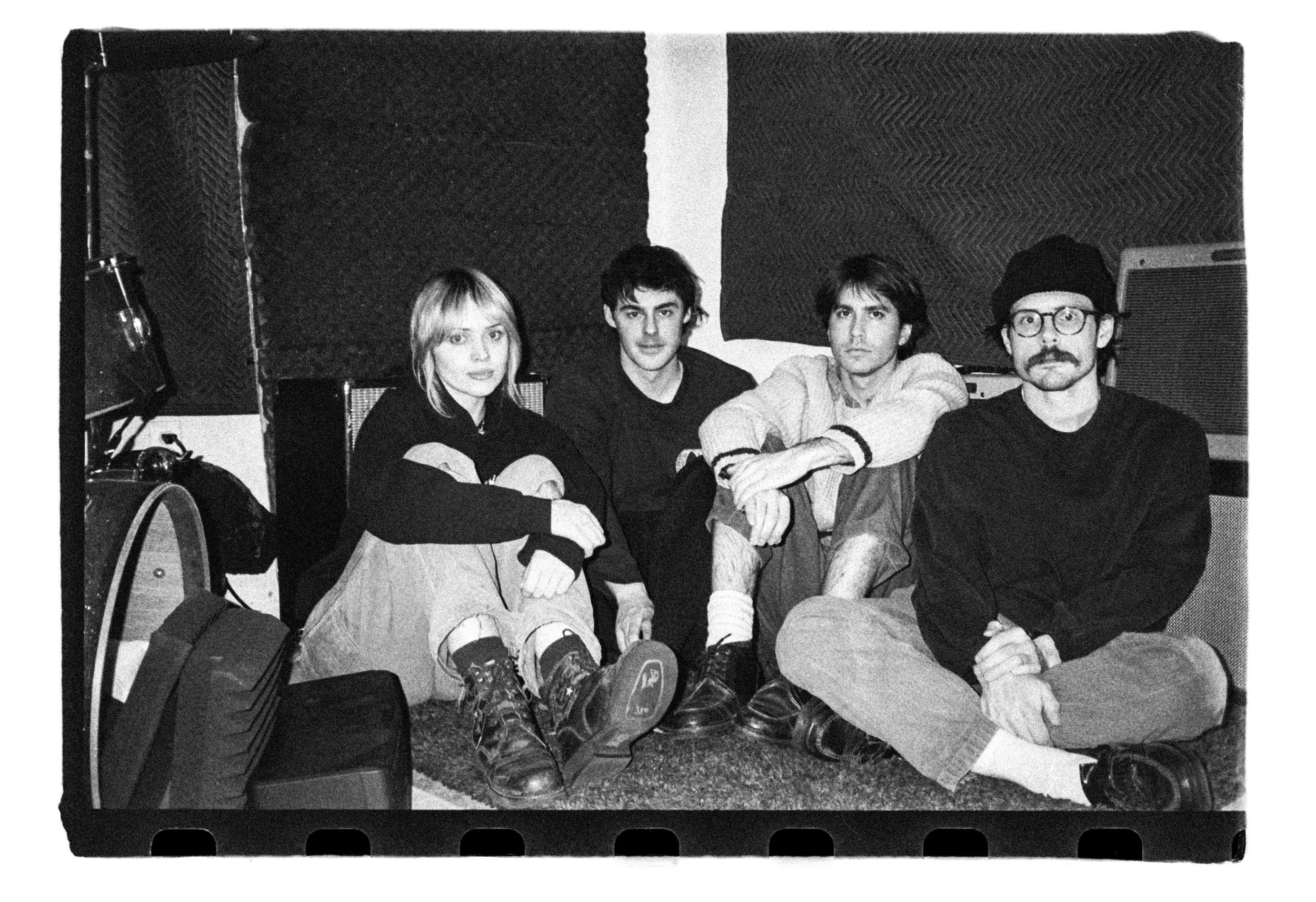
(Left to Right) Sam, Liv, Scott, Jeremy

I’ve spent time with you at your practice space, and there’s this playfulness to the way you interact, a room full of inside jokes and easy laughter. How do you preserve that original impulse of a song as it moves through rehearsals, shows, and finally recording, without sanding off the edges that make it feel alive?

[Jeremy] I think for me, I tend to think of recording and performing both sort of like acting. At some random show on some random Tuesday night where you just came from work, there is no way that you are going to feel the intensity of emotion that maybe made a song interesting at first. There has to be a conscious effort to maintain and try and recreate those same feelings and moments. We are all very good friends and have spent a lot of time together. We really encourage each other to be vulnerable in the music we write, and I think that being such good friends allows that to happen in an organic way. 

[Scott] I feel like the writing process is where I feel the most liberal in terms of risk taking. This leads to the occasional “a-ha” moment as I’m working through my parts for songs as we put them together in the rehearsal space. Those moments typically feel pretty special, and I try to preserve some of that impulse as we play the songs over and over, whether in practice, on stage, or in the studio. 

[Liv] I hold the belief that music is kinda pointless if it doesn’t hold emotion - so why would I want someone to pay money to see us, and experience nothing at all? I’m emotional all the time so maybe that has something to do with it haha 
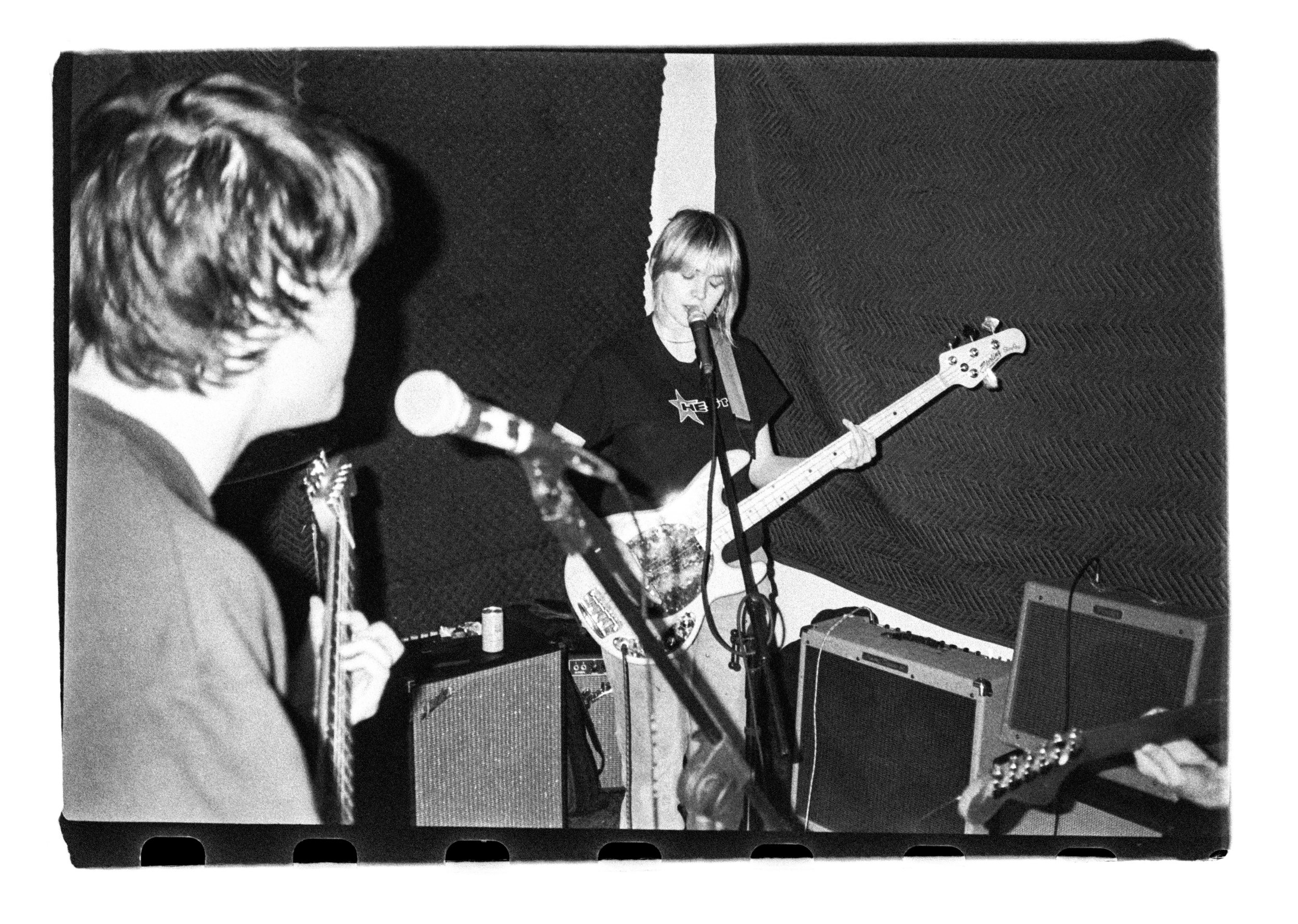
There’s a breath in your arrangements, the way a guitar line lingers a second too long or a vocal slips just under the mix. Are those choices intentional upfront, or do they come from intuition in the room as you work through takes?

[Jeremy] Going into the studio, we placed a lot of emphasis on dynamics. I think for me personally I didn’t have a lot of confidence in my music at the time we recorded this. I remember second guessing absolutely everything, and there really wasn’t much left to chance. I anticipate the next record to be a bit different, and I think there will be more room for intuition and for moments to just happen. 

[Scott] Ditto to what Jeremy said about dynamics. A lot of times I try to practice restraint in my drumming, which serves to emphasize those lingering guitar lines and vocal slips because I’m not taking up too much space in the mix. I’m bringing a lot of my jazz instincts in moments like those, trying to play my drums in conversation with the rest of the band. 

[Sam] Yeah definitely intentional, I think less is more a lot of times. Also just never doing more thant what the song calls for I think is a mantra of sorts that we say a lot

[Liv] This album is intentional from front to back. Every single bit. To the point where it almost drove me nuts. 
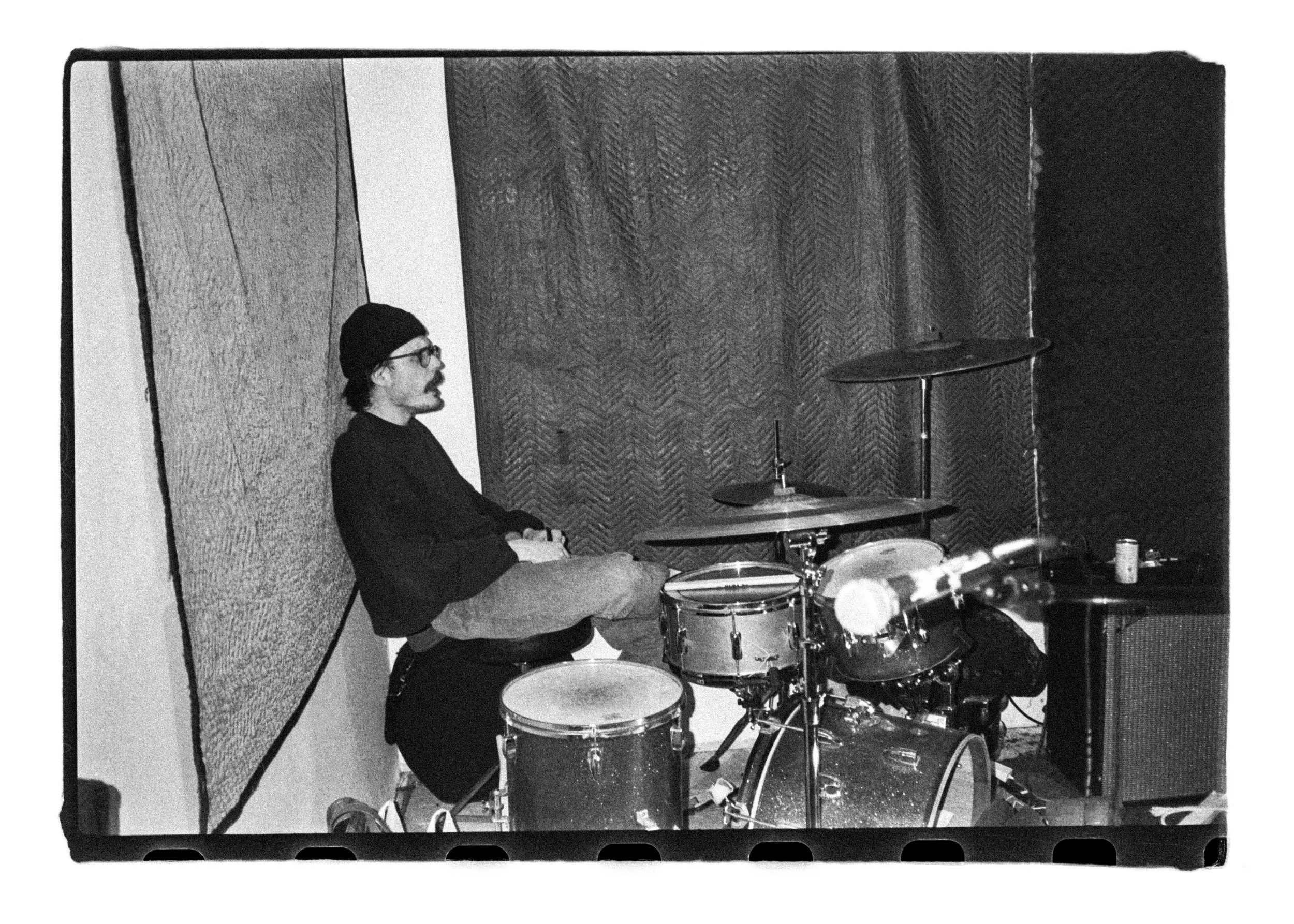
When you’re playing live, what’s the moment where everything shifts from performance into something more out of body? During the release show, especially in “Rot,” there was a point where it felt like the song was taking over both Jeremy and Sam. What does that moment feel like internally?

[Jeremy] I get very nervous before shows, even after playing hundreds of them the feeling has never really gone away. I think at a certain point that I can’t remember, I began to channel that into the performance instead of trying to hide it. All the leg shaking and wiggling that I do on stage isn’t really a stylistic thing, it is actually just me being really nervous. I think as far as Rot goes and what that feels like to play live, it feels really good. I think it is a much needed release for all of us. We are all high strung people. 

[Scott] I’d like to say I lose myself at some point during the course of playing a song live, but that wouldn’t be completely true. I definitely feed off the energy that the rest of the band brings to a performance, though. When moments like that happen, especially during Rot, I’m hitting the drums harder to match that energy, but I’m also very cognizant of the fact that I need to hold it down in a predictable way so that Sam can do his thing. 

[Sam] Yeah I’m usually really nervous before shows, but once I’m on stage a lot of it just fades away because I can focus on the task at hand. I think on rot it’s usually the first time during the set that we can really let loose so all the pent-up nervous energy from the whole day just explodes. After that song it becomes a lot easier to block everything out because all my cards are already on the table so to speak.

[Liv] Once we finish ‘Come, Dog’ I can enjoy myself. I get horribly nervous playing that song, but thankfully Scott keeps me in the pocket every time. The ending of the title track is my favorite because I can fall into Sam’s direction - it’s this sense that I’m completely surrendering. You can see it in all of our eyes that we just meld together, it makes me happy and I feel proud of that ending.
How do you negotiate the tension between precision and chaos in a live setting, deciding when to hold back and when to let things unravel?

[Jeremy] I have been leaning more into just going for things recently. I remember growing up listening to the band Iceage and being really inspired by them. They were always messy but there was just so much emotion behind it and you could tell that they really meant it. 

[Scott] As the process of performing these songs has become more comfortable, I’m taking the opportunity to go for things more often. I’m drawing from some of the same logic and thought processes I explained in my last answer in these moments as well. A song like Rot requires a lot of precision during the first half, but more recently I’ve been letting the drums breathe a bit more in certain moments. 

[Liv] I think a lot of these decisions are not based solely on our musical ideas, but also our actual personalities. The way Jeremy plays guitar is the way Jeremy is. And even more than that, the way Sam sings is the way Sam is. Same with Scott and same with me. When we have a fun night out or a huge argument, it literally sounds like verbal versions of the music. We have a funny and slightly dramatic dynamic as a group, and I’d say that affects the way we handle dynamics in the music.
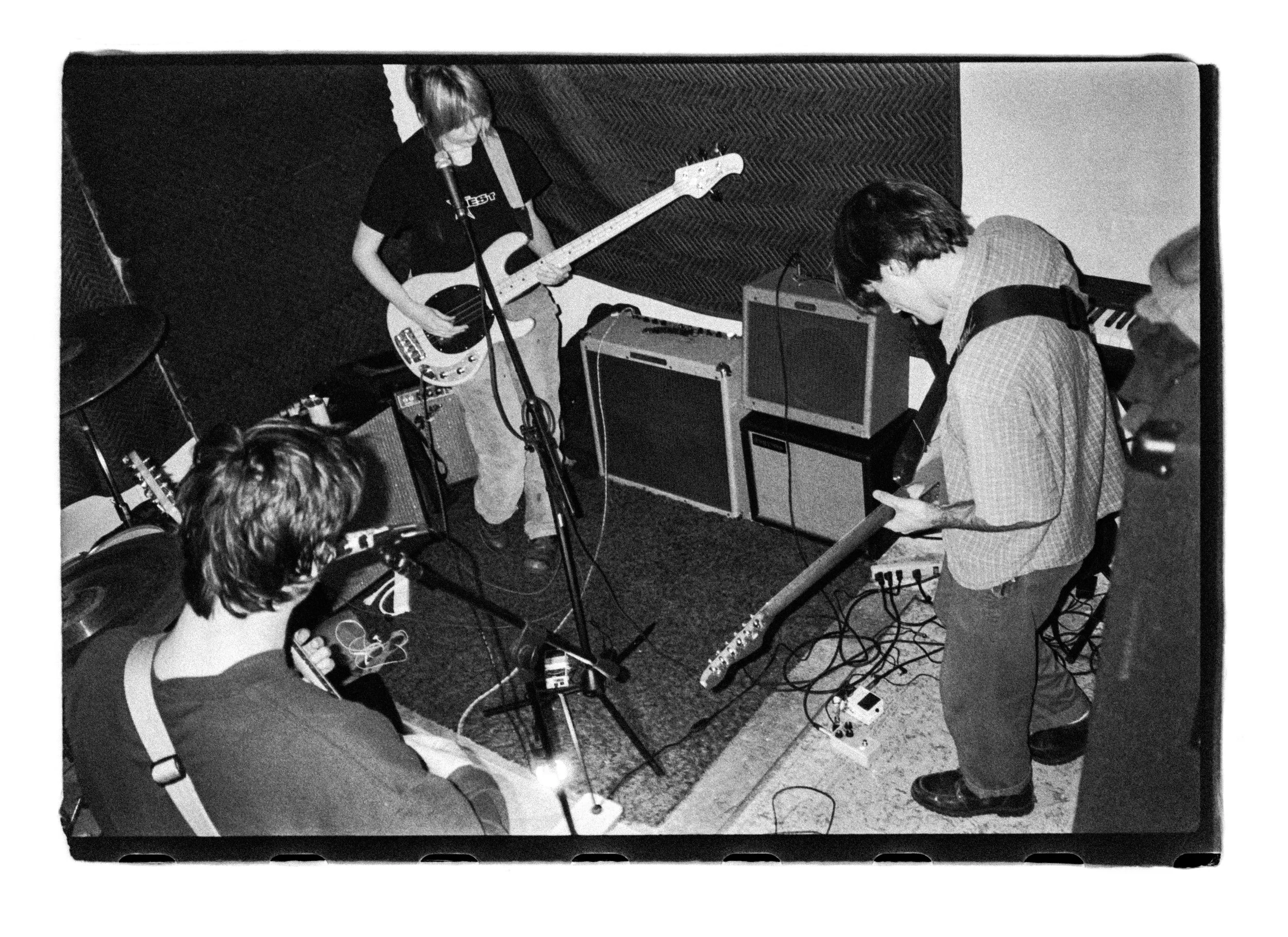
“Anything Can Be a Hammer” was produced by Hayden Ticehurst, someone known for pulling honest, unforced performances out of artists. What stood out to you about being in the studio with him?

[Jeremy] He is a silly guy, a true meme lord. A fellow gooner. 

[Scott] He’s someone who just gets it. What stood out for me the most is his ability to pick up a lot without us having to explain. I think his strongest suit is just being able to anticipate the type of sound a band is going for and allowing that to materialize more or less organically over the course of the sessions. He’s very smart.  

[Liv] I think it is awesome that he will not laugh at something he does not think is funny. He will make you sit with your bad joke. It’s hilarious and commendable. Obviously, his insane talent stands out - but at this point people should already know that about him.

Hayden’s mixes often leave space and texture intact rather than compressing everything into a wall of sound. How did that shape your approach to recording this record?

[Sam] I think Hayden was so much more familiar with the studio and the ways in which you can use instruments, we would attempt to describe a sound we wanted and Hayden would come up with something like blowing out a vintage reel to reel and plugging a guitar into it, or adding an unholy amount of distortion to a mellotron.

[Scott] He definitely knew how we could get the sounds we were looking for on this record. As with what Sam said, his familiarity with the studio and all of the gear in there made it a lot easier. I don’t think we had much of a set in stone plan outside of the arrangements — we were open to playing with how those arrangements came across in a recorded medium. I think his experience as an engineer and his overall skill/attention to detail allowed him to suggest ideas without ever coming across as challenging. 

[Liv] Hayden is an insane talent. He’s a master of his craft but also of the spaces in which he exists - I’m not sure there’s a single piece of gear or instrument he doesn’t know everything about.
Behind The Scenes w/ Aaron Heard of Jesus Piece by William Green

I spent the day with Aaron Heard of Jesus Piece, a frontman who has built his name on intensity, discipline, and the kind of presence that turns a room chaotic before the first note even lands. He grew up in the Philadelphia hardcore world, carrying that scene’s grit and community-first mindset into everything he touches.

We had planned to meet up when he got into New York for Jesus Piece’s show at Elsewhere, and that was the plan when I went to sleep the night before. By morning I woke up to a message that he had been arrested at the border, no clear updates, no confirmation he would even make the show. Hours passed without knowing what direction the day would go.

He did end up making it into the city, tired but grounded, and we finally sat down to talk about it all. We filmed a clip of him explaining exactly what happened at the border, and then drifted into the other parts of his life people rarely hear him speak about. At one point he laughed and said a bunch of badass girls were driving up from Philly to make sure the crowd moshed properly.

This is a look into that day, the chaos & the arrival of an artist who carries more than his stage presence lets on.

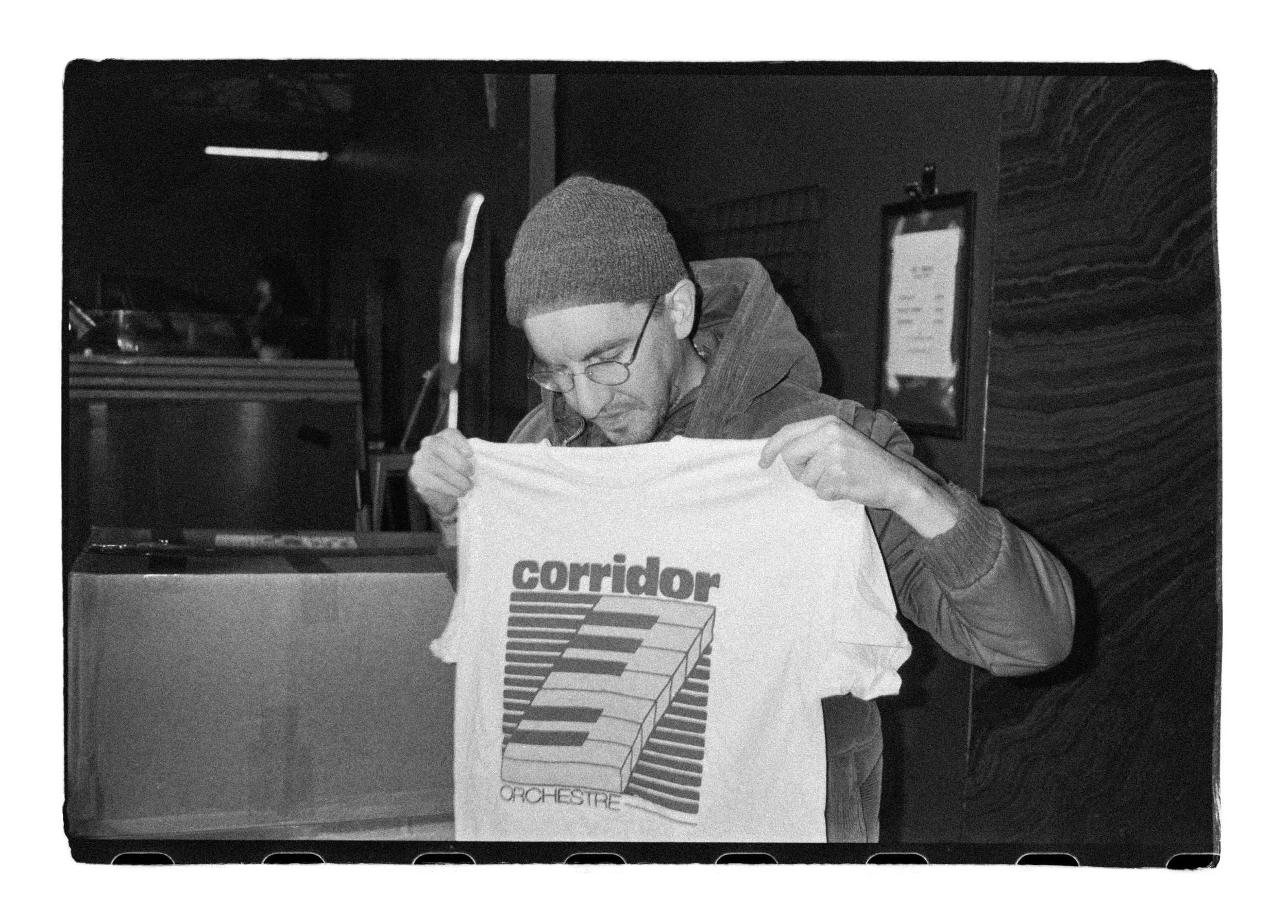
Ce Qui Reste Quand Ça S’éteint - Interview w/ Corridor by William Green

You’ve mentioned that no one wanted to be the ‘main’ singer in Corridor, how has that decision shaped your songwriting or sense of ego within the band. 

Dominic : That decision was initially made because none of us thought of being lead singer in the band. We didn’t have much experience at this point. Nowadays, when we write a new song, most of the time we know by the end of the process who should sing it. I think we’ve grown knowing whose voice fits better for the vibe.


When writing collaboratively, what’s something you’ve learned to let go of, and something you insist on holding firm?

Dominic: I’m not sure if we learned something to let go of, but we clearly insist on being really democratic about the music. If someone doesn’t like the song, we do not record or release it. It can be frustrating if 4 out of 5 dig something, but it is what it is


You’ve cited influences like Chad VanGaalen and Dog Day, what’s something about their work that you think listeners might overlook but you find really formative?

Dominic: I think their music in general is just overlooked, especially for Dog Day. They were both influential on how we recorded music in our early days. So many Canadian bands tried to sound like them, so were we.

The album name ‘Mimi’ was chosen early and stuck, how did the name start to shape or influence the emotional tone of the album as it evolved?

Jonathan: I don’t remember exactly what was the spark of it all but I remember I was digging some stuffs to sample in some old cartoons. There was a character named Mimi and at some point in the story everyone is looking for her, yelling Miiiimiiiiii. I loved that part, you can even hear it at the beginning of the record. Mimi is also the name of my cat, an old grey & white furry ball without teeth that is always puking everywhere. On the group chat we were often sharing the same meme picture of an old weird looking cat that looked exhausted. I just had my daughter, and moved to a new neighborhood so I guess I felt connected to that picture. I drew it for the album cover and that’s it.

“Mourir Demain” came from real-life thoughts about mortality, what other tracks were rooted in specific adult anxieties or mundane realities that surprised you creatively?

Jonathan: Most of the album is. The idea of Mourir Demain Phase came out while I was shopping life insurances and writing a testament, things I had to do cause I was newly a dad. Phase IV is kinda post-nostalgia. I remember I was going through my old neighborhood and I felt like that page of the past was closed for good. Mon Argent is about having to care about money. You know, you grew up a punk, saying fuck this and fuck that, then you realize you’re having suppers with friends talking mortgages, doing your tax on time… Jump Cut is when I started to feel overwhelm by nowadays technologies, probably the same ways my grand-parents were with the beginning of internet. Portes Ouvertes talks about moving to a new house. Chenil is about catching animals in this new house, I had to get rid of mices, rats, racoons, all in the same year I moved in. It’s funny, I just thought the concept of a generic and beige adult life was incredible. I wanted the album to be personal and honest and so that was my life at that moment.

With Samuel Gougoux joining and introducing more electronic textures, what’s one new instrument or sound you didn’t expect to fall in love with during the Mimi sessions?

Dominic: Before entering the studio with Joo-Joo Ashworth, he suggested we get a Korg Delta for synth textures, we ended up really liking the tones of this analog synth and it’s basically all over the album. None of us really knew what it had to offer. It really saved some of the songs.

Self-producing ‘Mimi’ gave you more freedom, was there a moment where that freedom became overwhelming or chaotic? How did you rein it in?

Dominic: It became chaotic especially near the end of the mixing process. Some of us thought it was finished, some didn’t. Normally, when the producer is not part of the band, he would determine when it’s done or not, it was kind of a hard moment, but in the end we managed to finish it without killing each other lol. Also, money was an issue because every mixing session would cost money, bankruptcy wasn’t an option.

Ableton and remote work shaped this album. How did those constraints reshape the way you thought about ‘liveness’ or spontaneity in your music?

Dominic: I think this is part of what makes Mimi different from the other albums. It’s the first we didn’t record live, so everything was really clean and crisp and we weren’t really used to that. It was especially difficult when it was time to figure out how to play a live version for shows. It took Sam some time to really figure out how the setup should be. 

In a past interview, you mentioned that the whole concept for Mimi actually came to Jonathan when he bought a leaf blower, realizing he was “becoming one of those guys” who gets excited about yard tools. I love that an everyday moment like that sparked a creative idea. Are there any other surprisingly mundane or non musical moments that have inspired your music? For example, have things like a random errand, a photo you saw, or an offhand memory ever planted the seed for a song or theme?

Jonathan: Yeah, a lot of this album ideas are coming from my everyday life. Like I said, shopping tools, working on your house, bringing your car to the garage, suppers with old friends. It just felt poetic to talk about this normality. Like there was something deeper to say about the whole thing. 

Several Mimi song titles read like nods to photography or film, “Caméra,” “Jump Cut,” even “Phase IV”. Do you consciously think in visual or cinematic terms when writing music? (By the way, was “Phase IV” titled after the cult ’70s sci-fi film of the same name, or just a coincidence?) Can you give an example of how a movie, a specific scene, or a filmmaking technique (like the abrupt feel of a jump cut) influenced the atmosphere or structure of one of your songs?

Jonathan: We actually have a moodboard for the album and most of it is action movies and explosions. We didn’t have so much music references to give to Joo-joo before recording the album so we gave him this instead. We knew, for example, that Jump Cut needed to feel like a car chasing scene in a spy movie on steroids.


Jonathan, I know you’re an illustrator and you’ve mentioned that you “have always opted for an illustration” rather than using band members’ faces on album covers. The cover of Mimi, featuring that wonderfully scruffy cat (Mimi herself, I assume) has a distinctive handmade charm. What visual art influences went into designing that cover and the band’s overall aesthetic? Are there particular artists or art styles that inspire the imagery of Corridor’s albums and merch? And how does your graphic art background shape how you present the band’s identity?

Jonathan: I’m basically an illustrator and an animator. My references are basically what I grew up with, old NFB animation shorts, graphic novels, 70’s french comics, 40’s cartoons. So yeah, I’m far from fashion, that’s probably why you won’t see our faces on an album cover. I did some stuff for other bands before. Knowing how musicians are most of the time painful to work with, I guess it was easier (and cheaper) to do this kind of thing myself. It’s fun, you know, being able to it without someone telling you to change this font or that color for no fucking reason. Since the beginning , directing music videos and making album covers for the band were also ways for me to experiment new stuff and different techniques. It’s nice, it feels like they totally trust me with that part. I always propose a couple of ideas to the band. Somehow it’s always the shittiest idea that makes the cut. Basically, when it make us laugh, it’s a good sign. I wouldn’t say I was inspired by something for the album cover other than the picture I drew. 

Your music videos often have a playful, homespun quality. I’m thinking of “Mon Argent,” where you ended up creating a whole visual concept in a single day using whatever was on hand, a Lite-Brite toy, falling pennies, and Dom’s collection of ceramic cats, after a technical mishap on the shoot. How do spontaneous DIY moments like that influence your visual storytelling? Do you draw inspiration for your videos from any specific filmmakers or visual artists, or is it more about embracing happy accidents and creativity with everyday objects?

Jonathan: This video is a disaster. Basically I had a really cool concept. It was 3 different clips of masked characters playing through different tv screens and interacting with each others. Somehow, the day I was shooting, I stepped on the wire and it broke inside one the television. The video was due the day after so I had to figure out something else on the spot. It is what it is. I created a lot of music videos before, 5-6 for the band and I’d say that I’m kinda proud of them. But this one… It’s not embarrassing but it’s more something that I would only consider as ‘’content’’. The label didn’t even put the final version on Youtube hahaha

Interview questions & research done in collaboration with Molly Alexander.

A record built from what lingers - Interview w/ Robber Robber by William Green


Some Questions with Nina Cates (vocals / rhythm guitar) of Burlington-based band Robber Robber

You’ve said you like ambiguity—has anyone ever interpreted one of your songs in a way that made you see it differently yourself?

Yeah- I feel like I write in a way where there’s a lot of room for interpretation. People ask if songs are about something and I feel like the answer is always yes.

Even if I didn’t intend it that way to begin with, once someone finds meaning in a song, that’s what it’s about.

How did the shift from Guy Ferrari to Robber Robber reshape your identity as a songwriter?

I feel like in the Guy Ferrari days it was a real kitchen sink approach- I still like some of those songs a whole lot but it was definitely less focused in a direction.

Robber Robber feels like we’re acting on what we learned from Guy Ferrari experiments. In a lot of ways it feels like a different band.

Were there any songs or ideas from your Guy Ferrari days that you carried over into Robber Robber, or did you feel the need to start completely fresh?

Absolutely! We still play a couple carry overs here and there when we want to mix it up- Robber Robber’s definitely more representative of where we’re at though. 

Is there a song on the record that felt like it taught you something about your own tendencies, musical or personal?

Writing primarily from a 3rd party perspective even when it’s about myself was something that I didn’t really realize I did until I examined it after.

Much easier to be vulnerable that way which is something to be examined later on perhaps haha. 

How does Burlington as a physical or emotional space show up in Wild Guess, if at all?

Definitely! There are themes of examining conflicts in my life in Burlington all throughout the record. The winters are long and can be brutal in Burlington and I think that can lend to being more introspective and it’s when I tend to write more lyrics.

In “Dial Tone,” there’s a jittery, off-kilter energy—did the arrangement evolve from a jam, or was that tension always intentional?

I don’t think that one came from a jam. Just Zack and I screwing around in a basement over Christmas break from school. I think that one started with guitar and drums and then we built off of it but few of the songs start in the same way as each other 


Urian Hackney’s engineering has a punk legacy, how did his approach shape the way this record feels sonically?

We thought a lot about which songs we felt would suit his energetic, punk studio approach. You can definitely hear it on How we ball and Dial Tone. He’s great at suggesting tones and letting us layer tons of stuff and I think those songs benefited a lot from his approach! It was nice to have that contrast with Benny’s approach which felt a bit more experimental for some of the songs we wanted to get a little wavier on like Sea or War. Very glad we got to work with both of them and so lucky to have both of them local! Burlington’s very lucky in that regard

You’ve said you write from a third-party perspective, have you ever surprised yourself by how much personal truth slipped in anyway?

All the time! I’m still realizing the ways in which the songs ring true to myself. I mentioned it a little bit before but I think positioning it like that makes it easier to talk about myself and switch between subjects but there’s always a through line that sometimes isn’t obvious to me until long after the song is written. 

Do any lines from Wild Guess feel like they came from somewhere subconscious or dreamlike, rather than something you deliberately wrote?

Tons of them- I feel like songwriting is a pretty magical headspace you have to get in. Some of my friends like Lily Seabird can sit down and write a song front to back in one go which I think is nothing short of magic. I am not that way, I feel like I have to charge away at tons of lyrical ideas until I have something I instinctively feel good about and by then the meaning I started with might’ve become something very different but just as true. 


Behind The Scenes w/ Midwife by William Green

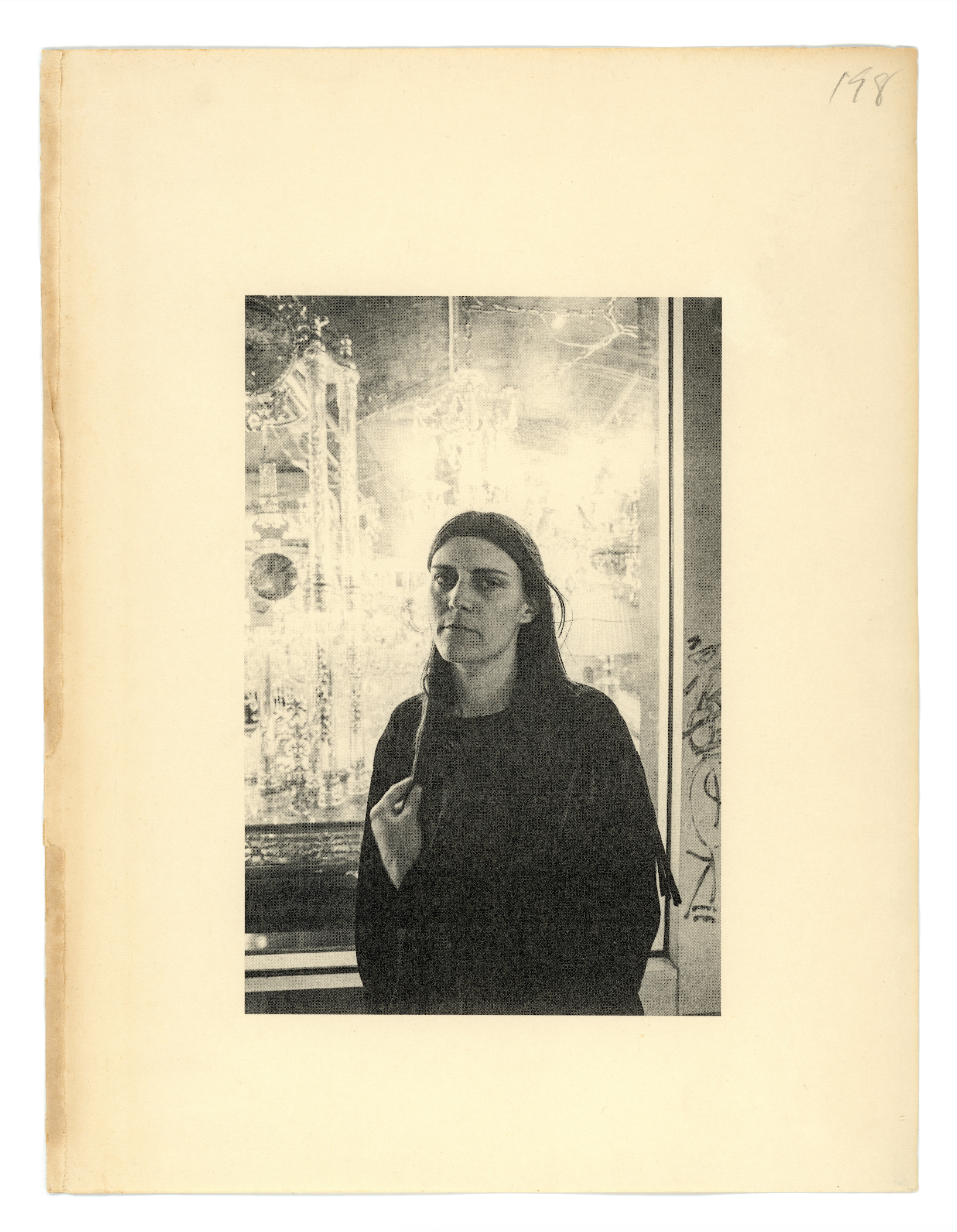
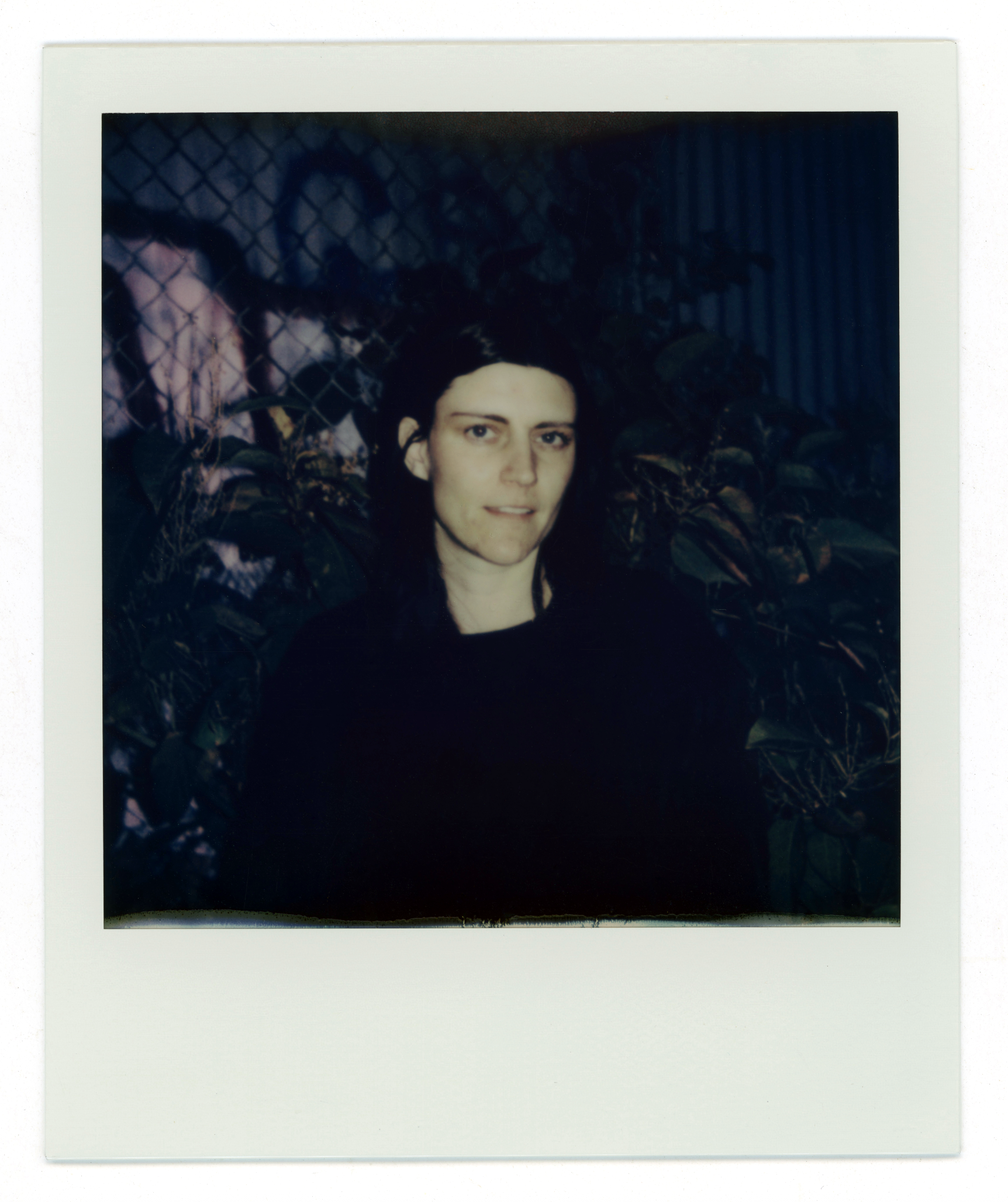
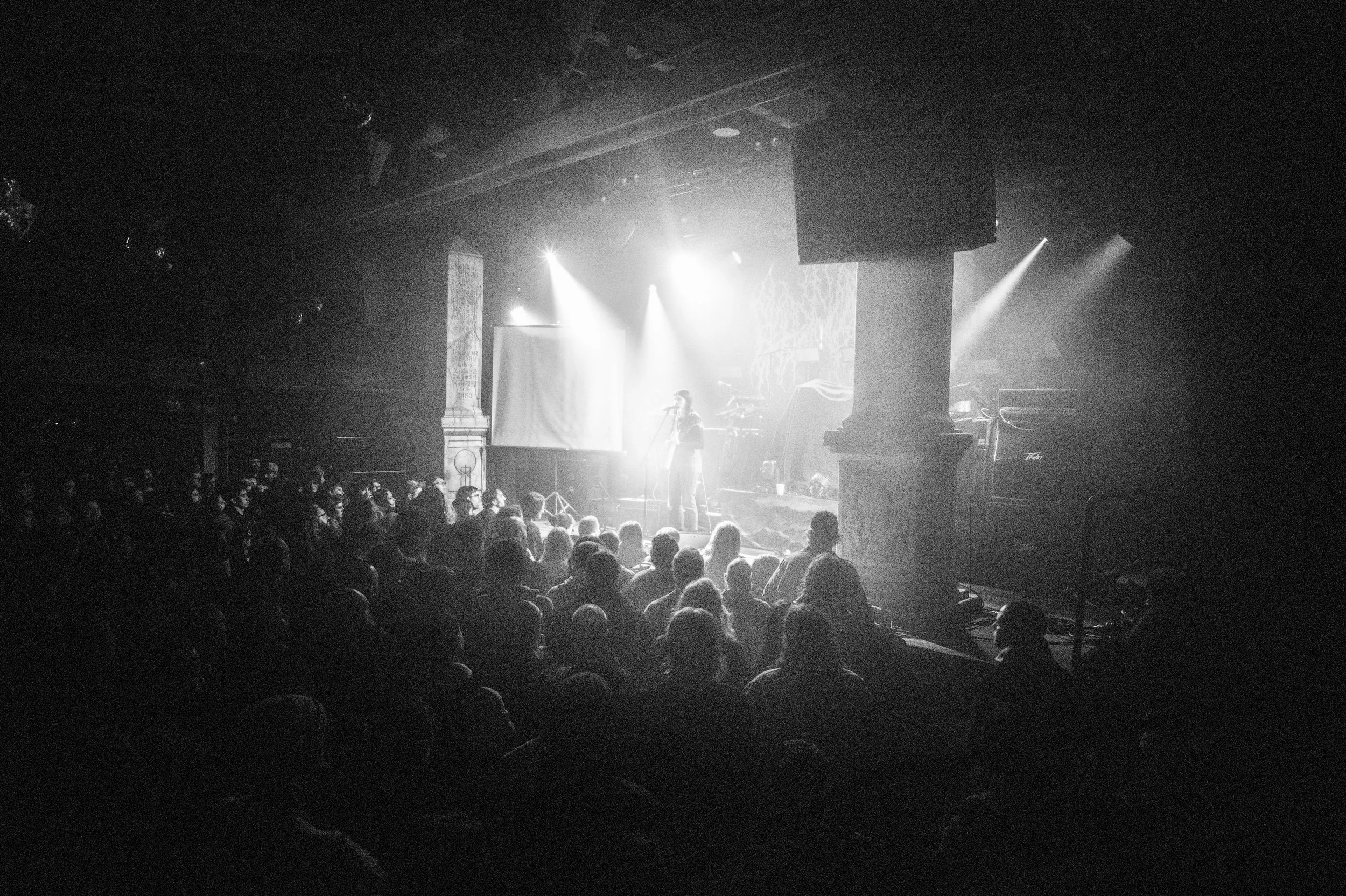
I spent the night with Midwife at Elsewhere, documenting their set as they opened for Blood Incantation. Midwife, the project of multi instrumentalist Madeline Johnston, is known for creating what she calls heaven metal, a blend of slow burning shoegaze, ambient drone, and intimate vocals that feel devotional.

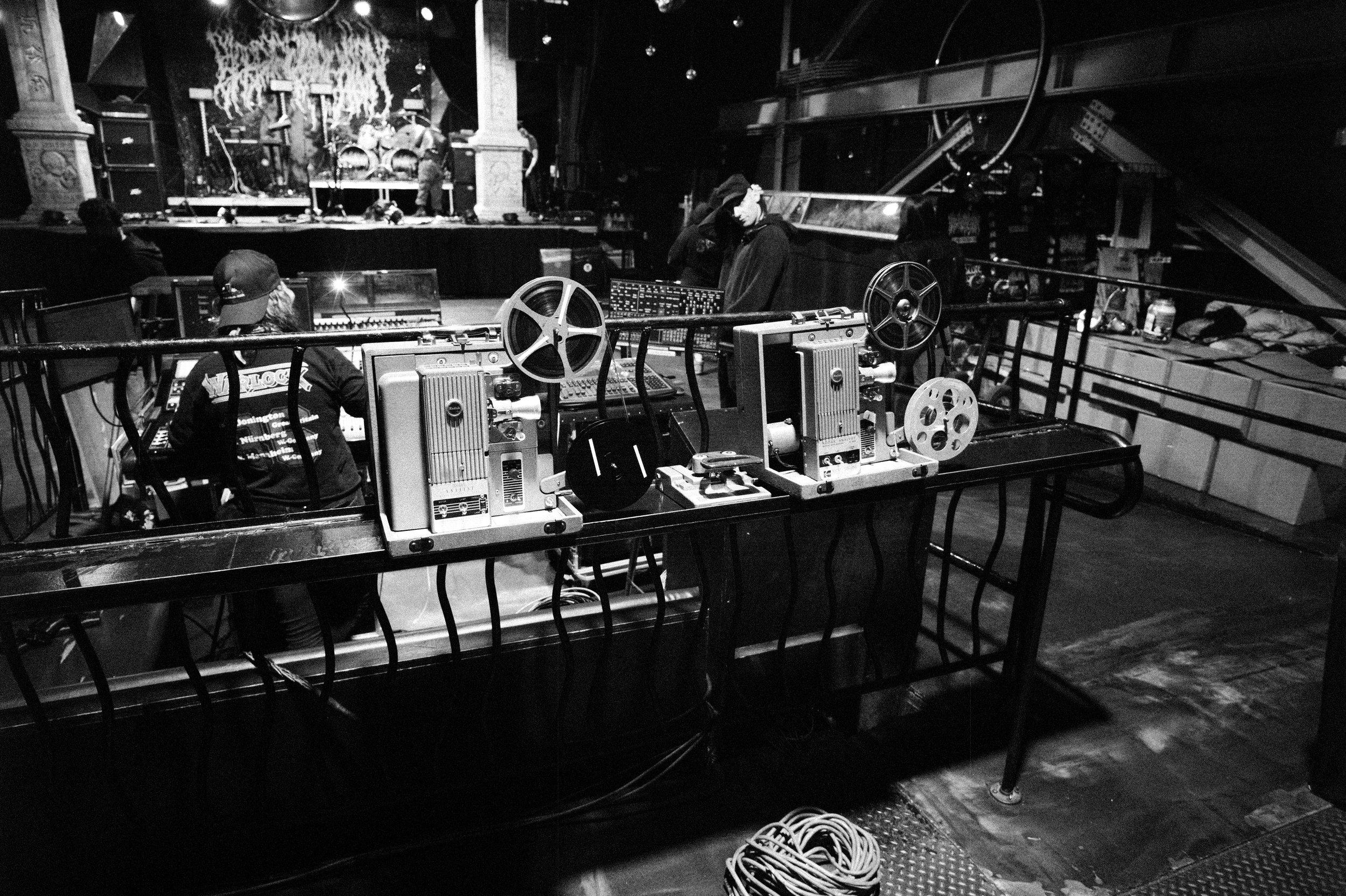
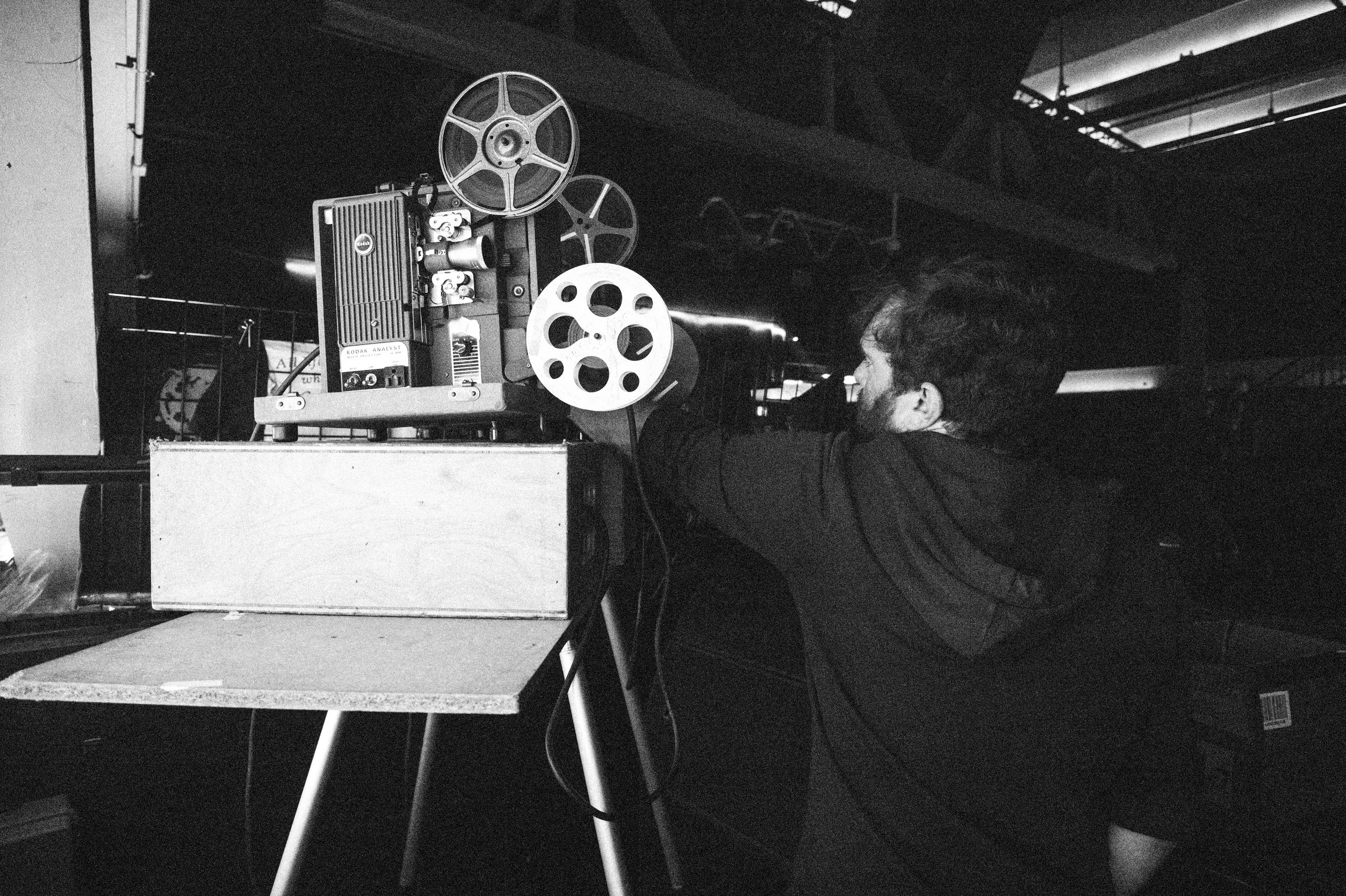
For this post I’m showcasing a portrait of Midwife printed on found end sheets from a discarded book I picked up off the street, the texture and age of the paper matching the worn, cinematic world their music lives in. I’ve also included video footage from the performance, where Midwife played in front of a projection screen glowing with 16mm film textures that flickered across the room and wrapped their sound in moving light.