There’s a pulse at the center of bloodsports’ music, something quiet and restless that expands without warning. Their debut album “anything can be a hammer” leans into that tension. I met the band at Union Pool on the afternoon of their release show and followed the day as it unfolded, photobooth strips, monitors buzzing, the stillness before people pour in.
When the room eventually filled and the energy peaked, it was clear the record had hit a nerve.
After the show I asked them about the record and the instincts that guide their work.
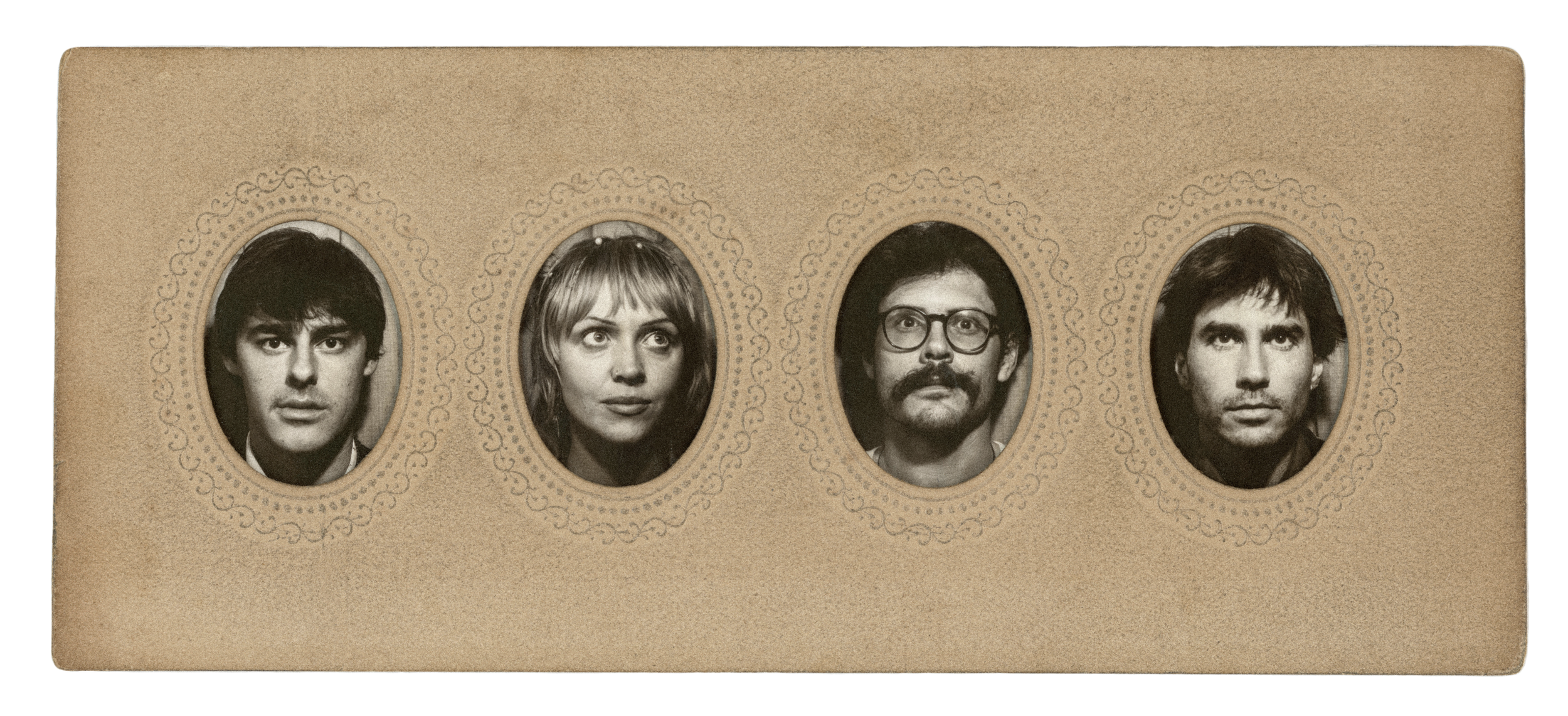
(Left to Right) Sam, Liv, Scott, Jeremy
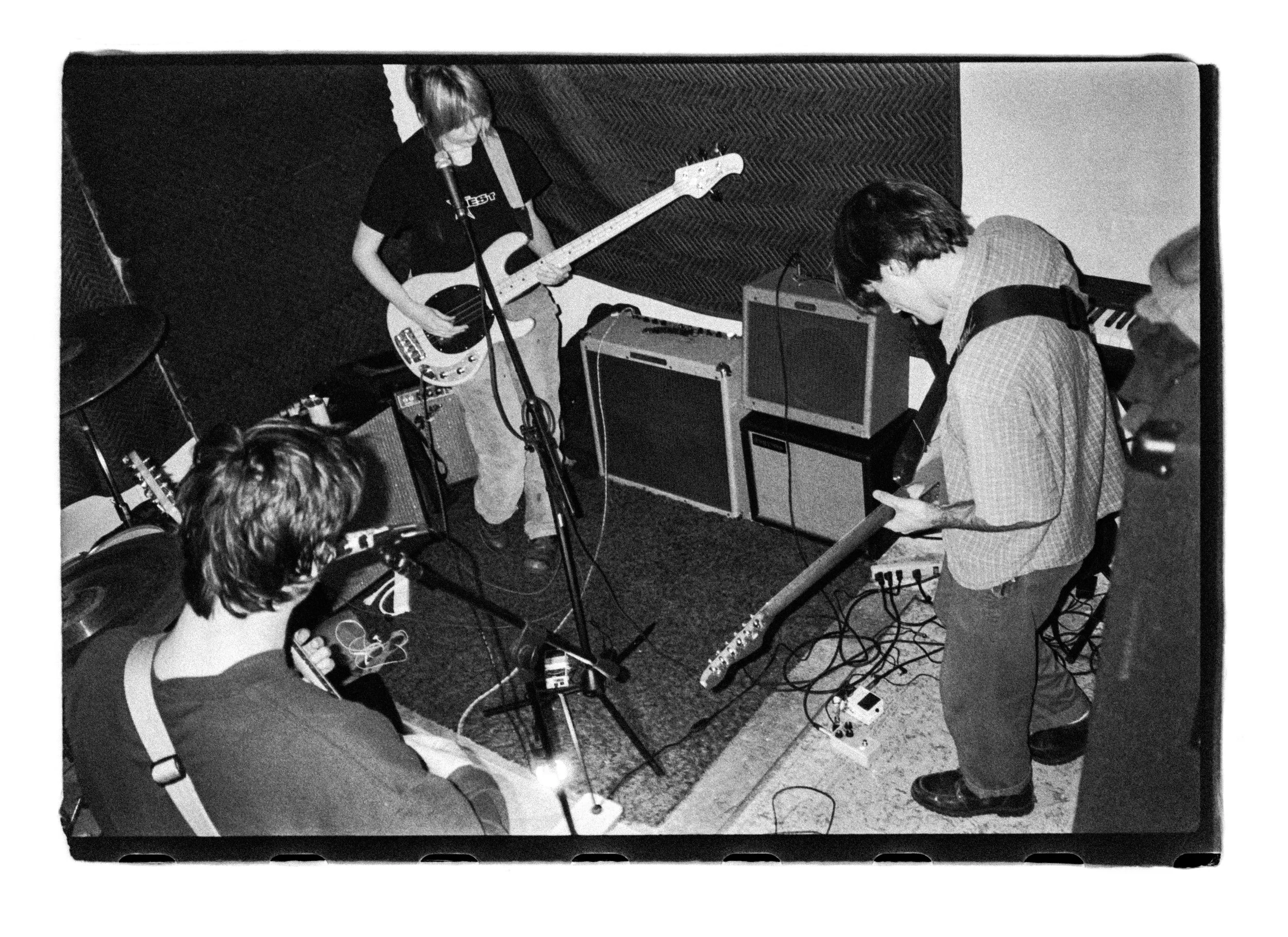
I’ve spent time with you at your practice space, and there’s this playfulness to the way you interact, a room full of inside jokes and easy laughter. How do you preserve that original impulse of a song as it moves through rehearsals, shows, and finally recording, without sanding off the edges that make it feel alive?
[Jeremy] I think for me, I tend to think of recording and performing both sort of like acting. At some random show on some random Tuesday night where you just came from work, there is no way that you are going to feel the intensity of emotion that maybe made a song interesting at first. There has to be a conscious effort to maintain and try and recreate those same feelings and moments. We are all very good friends and have spent a lot of time together. We really encourage each other to be vulnerable in the music we write, and I think that being such good friends allows that to happen in an organic way.
[Scott] I feel like the writing process is where I feel the most liberal in terms of risk taking. This leads to the occasional “a-ha” moment as I’m working through my parts for songs as we put them together in the rehearsal space. Those moments typically feel pretty special, and I try to preserve some of that impulse as we play the songs over and over, whether in practice, on stage, or in the studio.
[Liv] I hold the belief that music is kinda pointless if it doesn’t hold emotion - so why would I want someone to pay money to see us, and experience nothing at all? I’m emotional all the time so maybe that has something to do with it haha
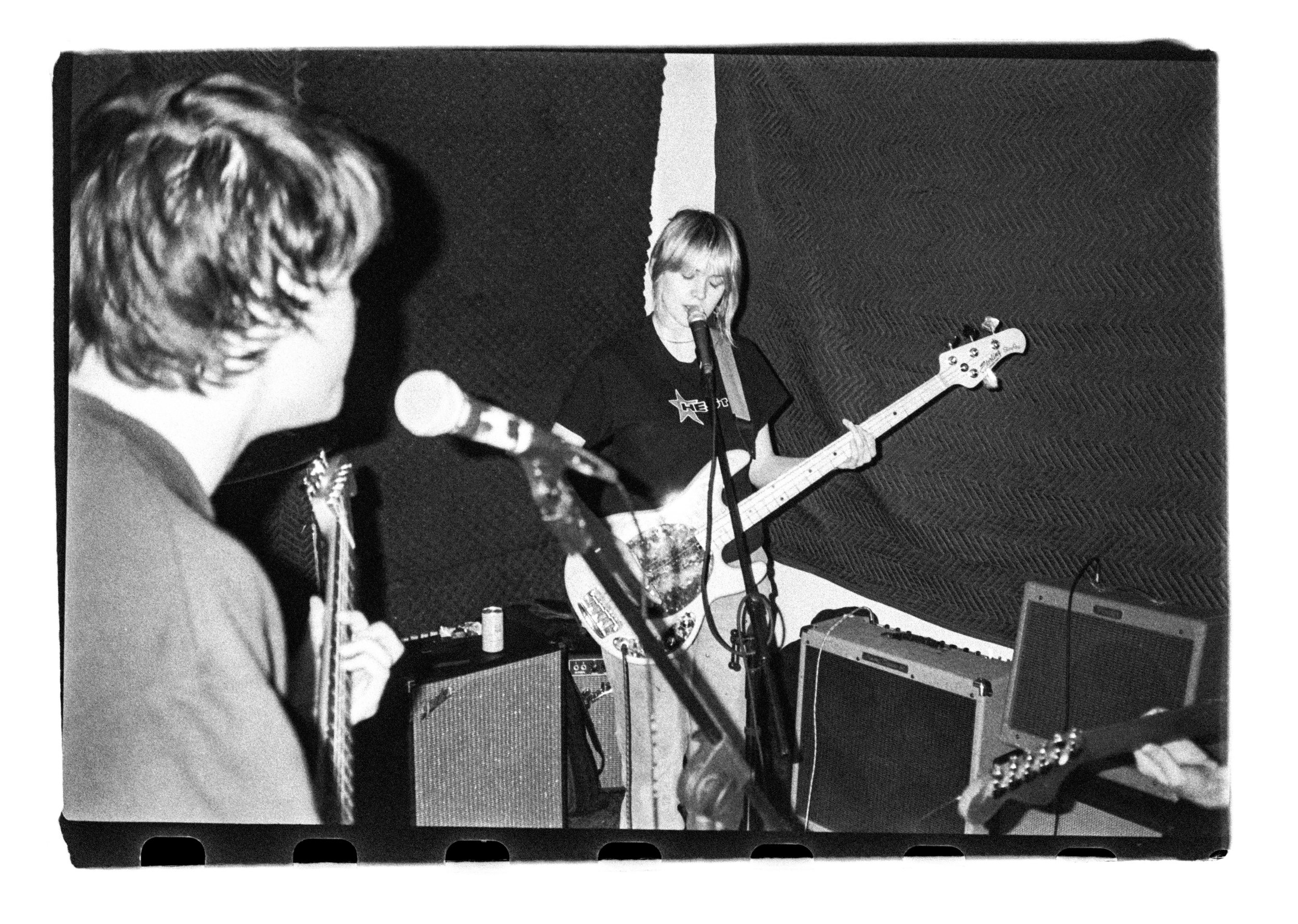
There’s a breath in your arrangements, the way a guitar line lingers a second too long or a vocal slips just under the mix. Are those choices intentional upfront, or do they come from intuition in the room as you work through takes?
[Jeremy] Going into the studio, we placed a lot of emphasis on dynamics. I think for me personally I didn’t have a lot of confidence in my music at the time we recorded this. I remember second guessing absolutely everything, and there really wasn’t much left to chance. I anticipate the next record to be a bit different, and I think there will be more room for intuition and for moments to just happen.
[Scott] Ditto to what Jeremy said about dynamics. A lot of times I try to practice restraint in my drumming, which serves to emphasize those lingering guitar lines and vocal slips because I’m not taking up too much space in the mix. I’m bringing a lot of my jazz instincts in moments like those, trying to play my drums in conversation with the rest of the band.
[Sam] Yeah definitely intentional, I think less is more a lot of times. Also just never doing more thant what the song calls for I think is a mantra of sorts that we say a lot
[Liv] This album is intentional from front to back. Every single bit. To the point where it almost drove me nuts.
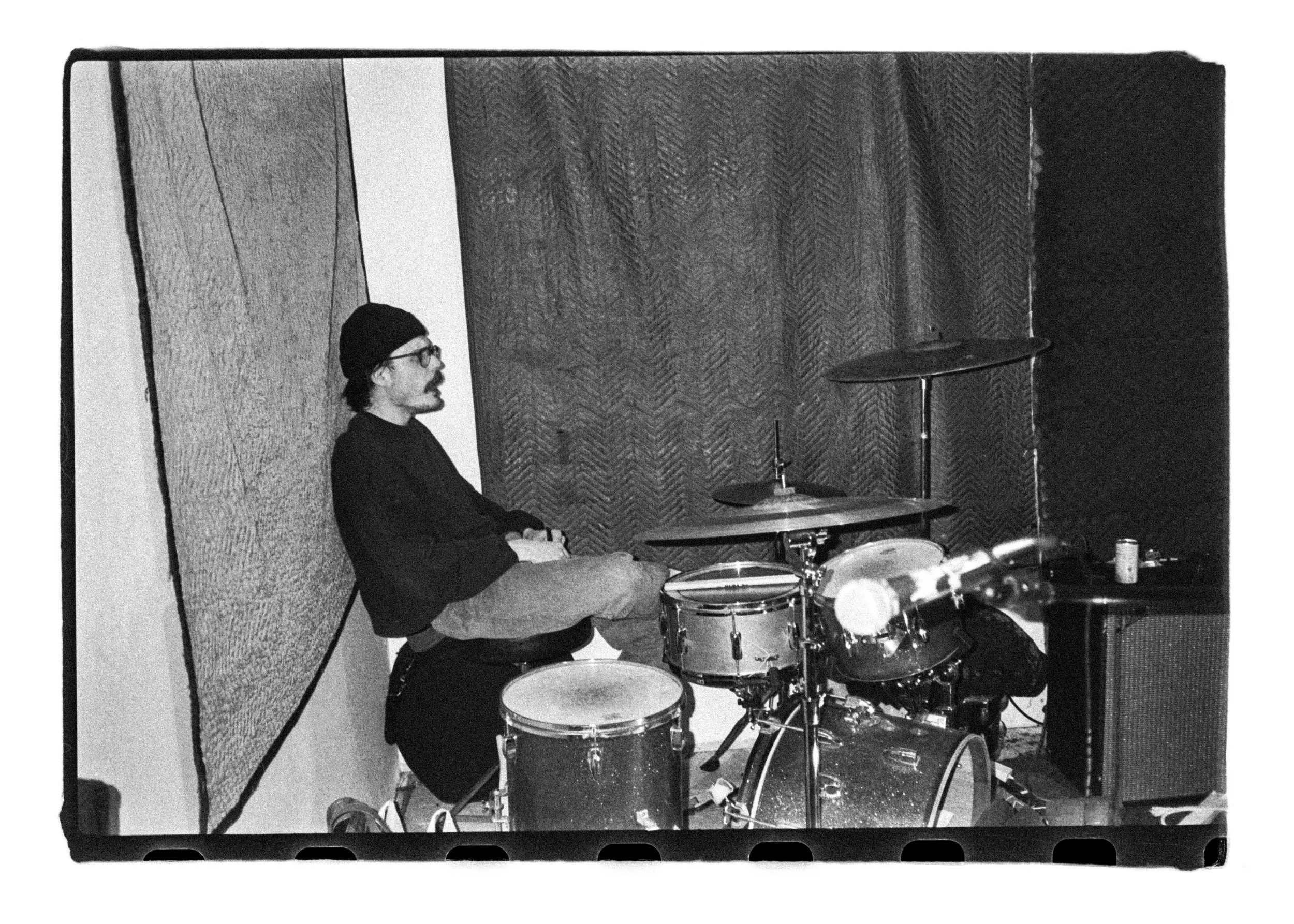
When you’re playing live, what’s the moment where everything shifts from performance into something more out of body? During the release show, especially in “Rot,” there was a point where it felt like the song was taking over both Jeremy and Sam. What does that moment feel like internally?
[Jeremy] I get very nervous before shows, even after playing hundreds of them the feeling has never really gone away. I think at a certain point that I can’t remember, I began to channel that into the performance instead of trying to hide it. All the leg shaking and wiggling that I do on stage isn’t really a stylistic thing, it is actually just me being really nervous. I think as far as Rot goes and what that feels like to play live, it feels really good. I think it is a much needed release for all of us. We are all high strung people.
[Scott] I’d like to say I lose myself at some point during the course of playing a song live, but that wouldn’t be completely true. I definitely feed off the energy that the rest of the band brings to a performance, though. When moments like that happen, especially during Rot, I’m hitting the drums harder to match that energy, but I’m also very cognizant of the fact that I need to hold it down in a predictable way so that Sam can do his thing.
[Sam] Yeah I’m usually really nervous before shows, but once I’m on stage a lot of it just fades away because I can focus on the task at hand. I think on rot it’s usually the first time during the set that we can really let loose so all the pent-up nervous energy from the whole day just explodes. After that song it becomes a lot easier to block everything out because all my cards are already on the table so to speak.
[Liv] Once we finish ‘Come, Dog’ I can enjoy myself. I get horribly nervous playing that song, but thankfully Scott keeps me in the pocket every time. The ending of the title track is my favorite because I can fall into Sam’s direction - it’s this sense that I’m completely surrendering. You can see it in all of our eyes that we just meld together, it makes me happy and I feel proud of that ending.
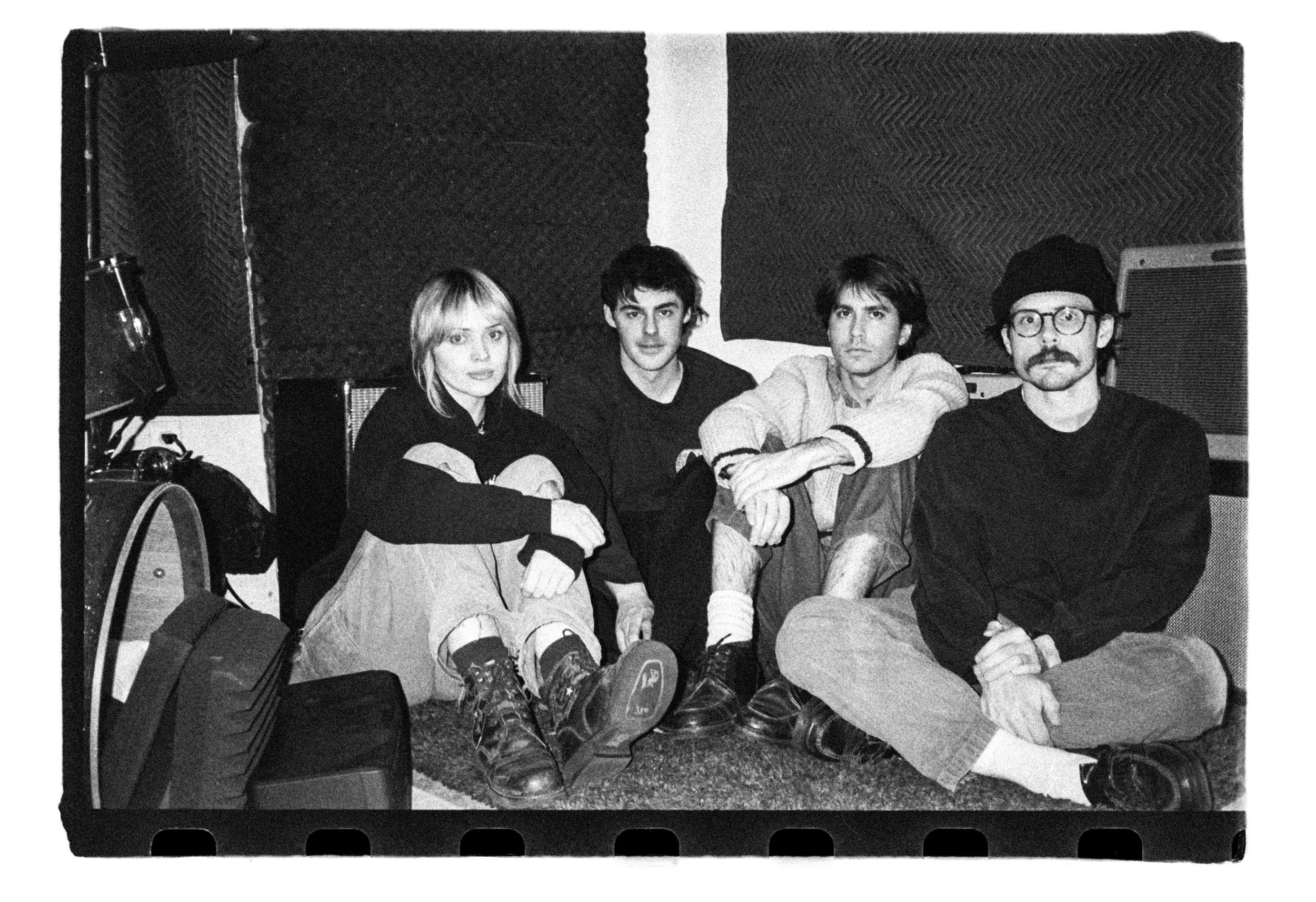
How do you negotiate the tension between precision and chaos in a live setting, deciding when to hold back and when to let things unravel?
[Jeremy] I have been leaning more into just going for things recently. I remember growing up listening to the band Iceage and being really inspired by them. They were always messy but there was just so much emotion behind it and you could tell that they really meant it.
[Scott] As the process of performing these songs has become more comfortable, I’m taking the opportunity to go for things more often. I’m drawing from some of the same logic and thought processes I explained in my last answer in these moments as well. A song like Rot requires a lot of precision during the first half, but more recently I’ve been letting the drums breathe a bit more in certain moments.
[Liv] I think a lot of these decisions are not based solely on our musical ideas, but also our actual personalities. The way Jeremy plays guitar is the way Jeremy is. And even more than that, the way Sam sings is the way Sam is. Same with Scott and same with me. When we have a fun night out or a huge argument, it literally sounds like verbal versions of the music. We have a funny and slightly dramatic dynamic as a group, and I’d say that affects the way we handle dynamics in the music.
“Anything Can Be a Hammer” was produced by Hayden Ticehurst, someone known for pulling honest, unforced performances out of artists. What stood out to you about being in the studio with him?
[Jeremy] He is a silly guy, a true meme lord. A fellow gooner.
[Scott] He’s someone who just gets it. What stood out for me the most is his ability to pick up a lot without us having to explain. I think his strongest suit is just being able to anticipate the type of sound a band is going for and allowing that to materialize more or less organically over the course of the sessions. He’s very smart.
[Liv] I think it is awesome that he will not laugh at something he does not think is funny. He will make you sit with your bad joke. It’s hilarious and commendable. Obviously, his insane talent stands out - but at this point people should already know that about him.
Hayden’s mixes often leave space and texture intact rather than compressing everything into a wall of sound. How did that shape your approach to recording this record?
[Sam] I think Hayden was so much more familiar with the studio and the ways in which you can use instruments, we would attempt to describe a sound we wanted and Hayden would come up with something like blowing out a vintage reel to reel and plugging a guitar into it, or adding an unholy amount of distortion to a mellotron.
[Scott] He definitely knew how we could get the sounds we were looking for on this record. As with what Sam said, his familiarity with the studio and all of the gear in there made it a lot easier. I don’t think we had much of a set in stone plan outside of the arrangements — we were open to playing with how those arrangements came across in a recorded medium. I think his experience as an engineer and his overall skill/attention to detail allowed him to suggest ideas without ever coming across as challenging.
[Liv] Hayden is an insane talent. He’s a master of his craft but also of the spaces in which he exists - I’m not sure there’s a single piece of gear or instrument he doesn’t know everything about.