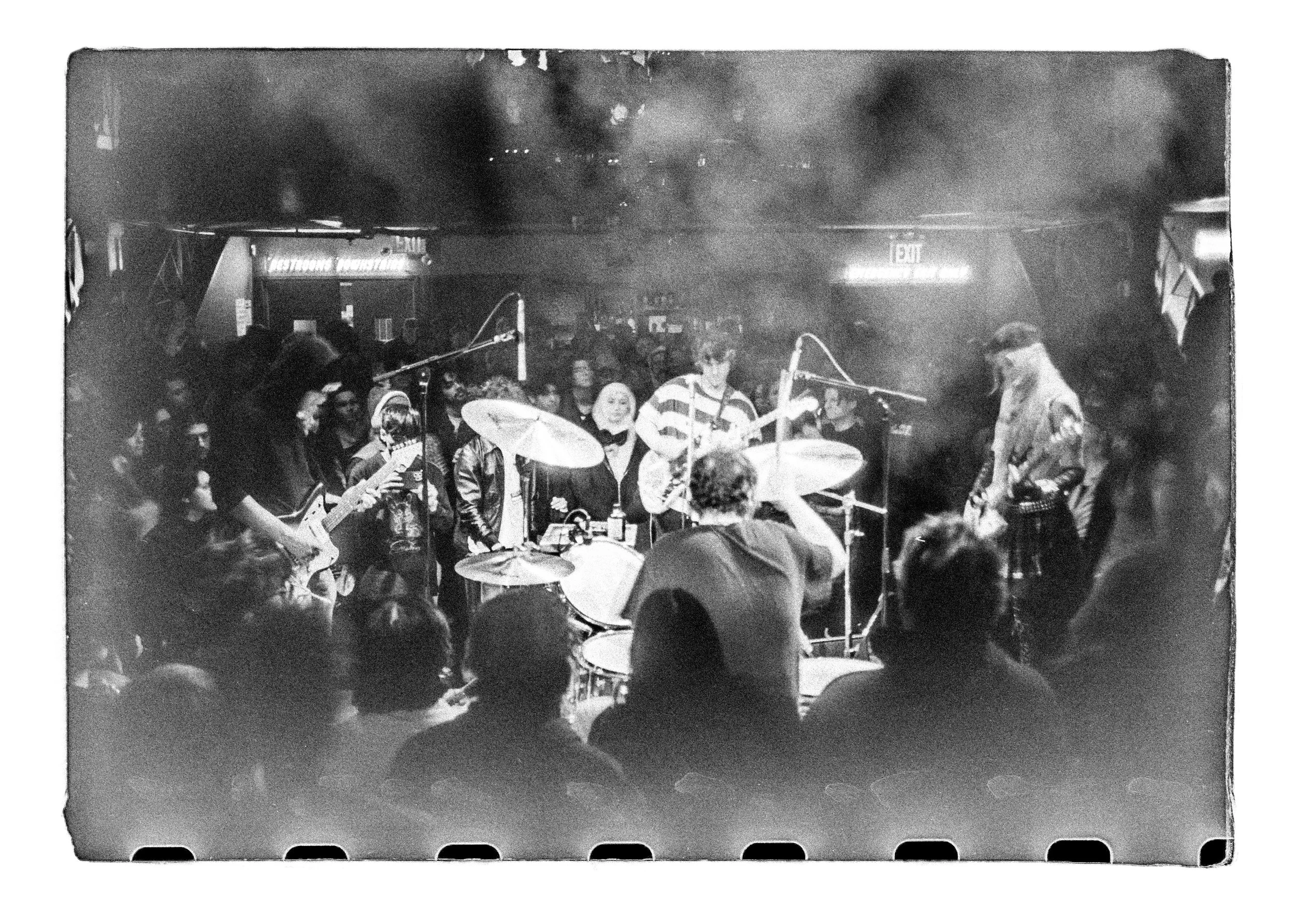
There’s a particular restraint to the way TAGABOW work, a refusal to inflate feeling or posture above it, which gives the album its weight. Nothing is dressed up, nothing is framed as larger than life, and that choice feels deliberate. Spending time with Douglas and the band made it clear how closely that approach is tied to survival, humility, and the ongoing work of understanding oneself. The answers don’t resolve neatly, they wander, double back, contradict themselves in productive ways.
In conversation with Douglas Dulgarian of Tagabow,
When I spend time with LOTTO, not just as individual tracks but as a complete environment, it feels connected to a very particular chapter in your life. It has this sense of a moment when your thoughts, your routines, your physical state, and the way you moved through the world were all pressing in at the same time.
I find myself wondering what it felt like for you to be inside that moment while making the record. Did the process of writing and recording bring you face to face with parts of yourself that you had not fully acknowledged before, and if that happened, how did it affect the choices you made from day to day in the studio.
I am also curious about the version of yourself who walked away from the finished album. Did you feel transformed by the work, or did the act of creating LOTTO simply clarify the person you already were, almost like the album held up a mirror you had not looked into quite that closely until then.
Douglas: These are some fucking amazing questions. I guess the whole purpose of art in my life is to figure out who I am constantly, or maybe like, to create some idealized form of myself that supplements my core basic beliefs about myself. And then try it on. See if it fits. With LOTTO, it was kind of a weird time starting out, because in writing it I had just relapsed on opiates for the sixth major time in my life, and I guess the idea of the record was like; “how would it feel to strip back all of the idealized forms of myself I have built, and wear that one?” And in some way, I suppose, that is an idealized form of myself as well. When I walked away I can say that the main feeling that I had was that of being too naked. Sometimes it’s nice to hide behind some sort of mask, some persona. I think that’s like the “rock star” thing to do. I wanted to be anti rock star. I guess the weird part of that is there’s no coming back from that stance. Once you’ve shown your hand everybody knows. And I think that’s honestly healthier for me. I’m a person, with problems. Remaining humble in basically way is really the only way I will ever stay clean I think. My life is not some movie. It’s a mixture of a ton of real life moments.
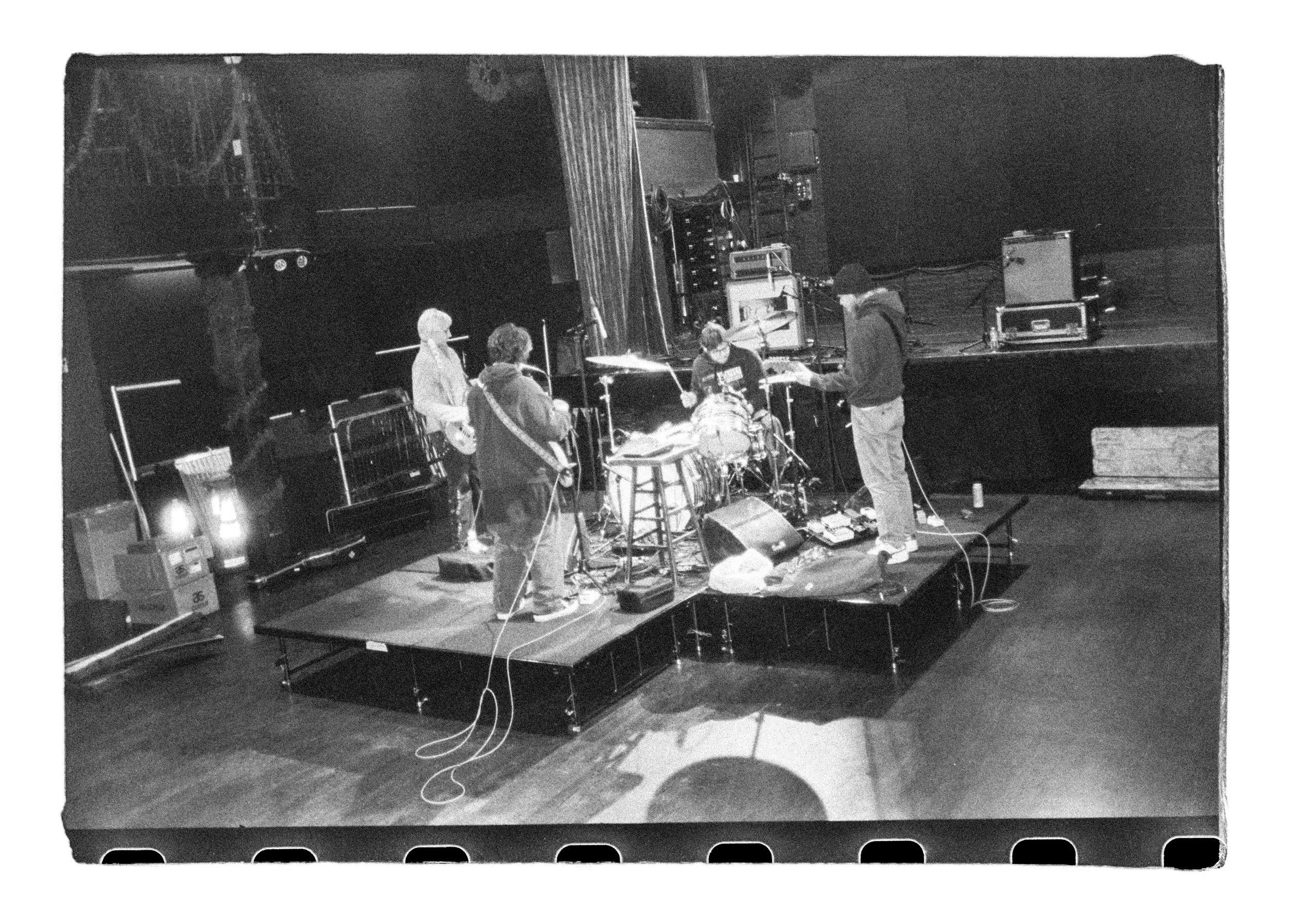
You once said you never want to "feel better or worse than anybody else" in life or in art. How does that belief shape the way you write songs, especially songs that focus on despair or isolation or the loneliness of daily routines, How did that shape Lotto?
Douglas: I think a better way of saying that is “I don’t want to position myself as better or worse than anybody else”, because at the end of the day I have literally lived in nearly every format of available lifrstyles for myself, and all of those formats are still available to me at any time. An even better way of framing that is: “I am still all of those things, constantly, and we all are.”Homeless and strung out, struggling but having a roof over my head, or doing very well financially; enough to just spend in stupid ways. I’m not entirely sure how that belief helps me write songs, but it does open the door for me to be like; “I too can be a musician as well”. Especially initially. I still struggle with imposter syndrome. And that’s something I talk about in the music too I think. It translates in a lot of ways- I really try and relate to people as opposed to compare to them.
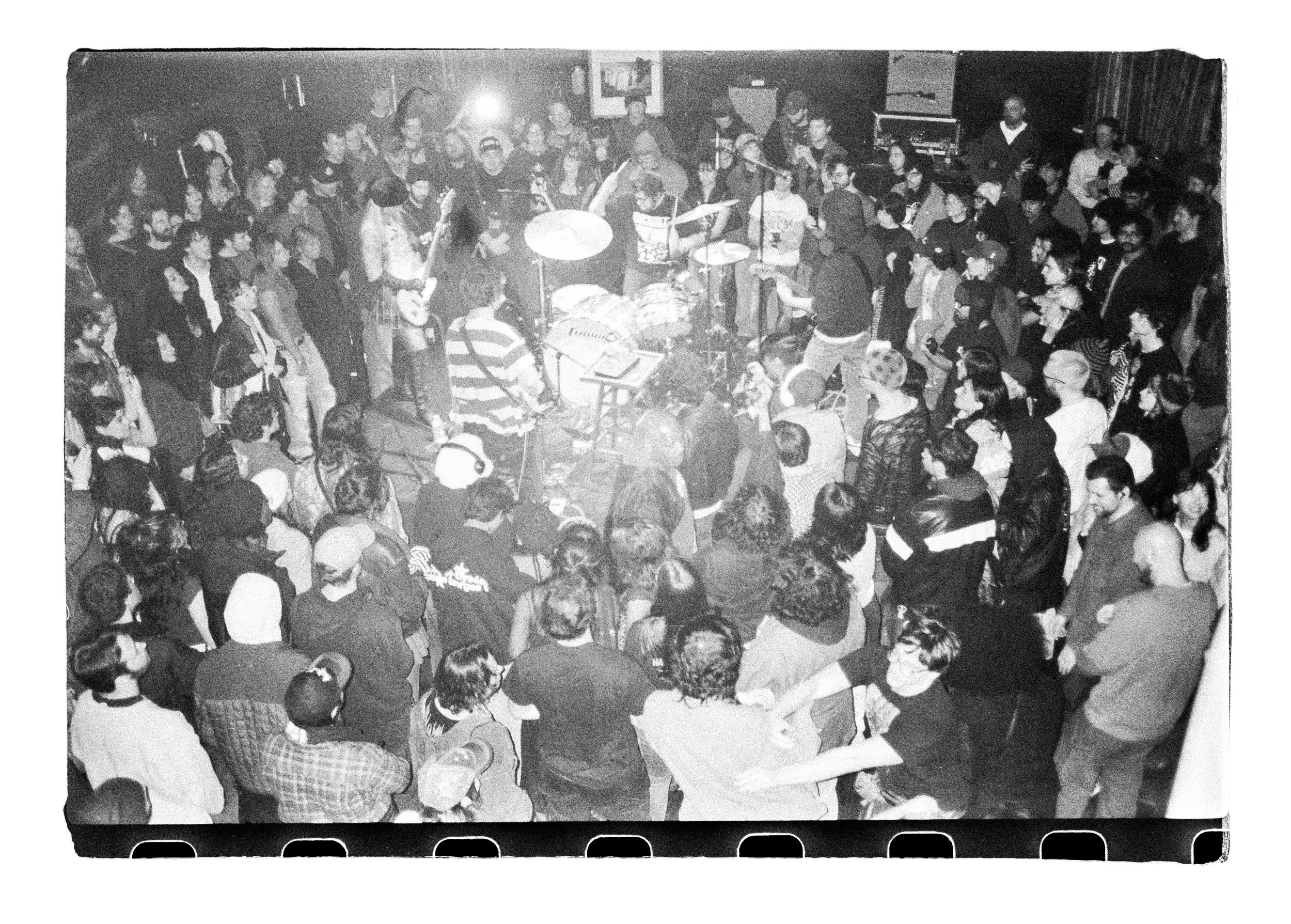
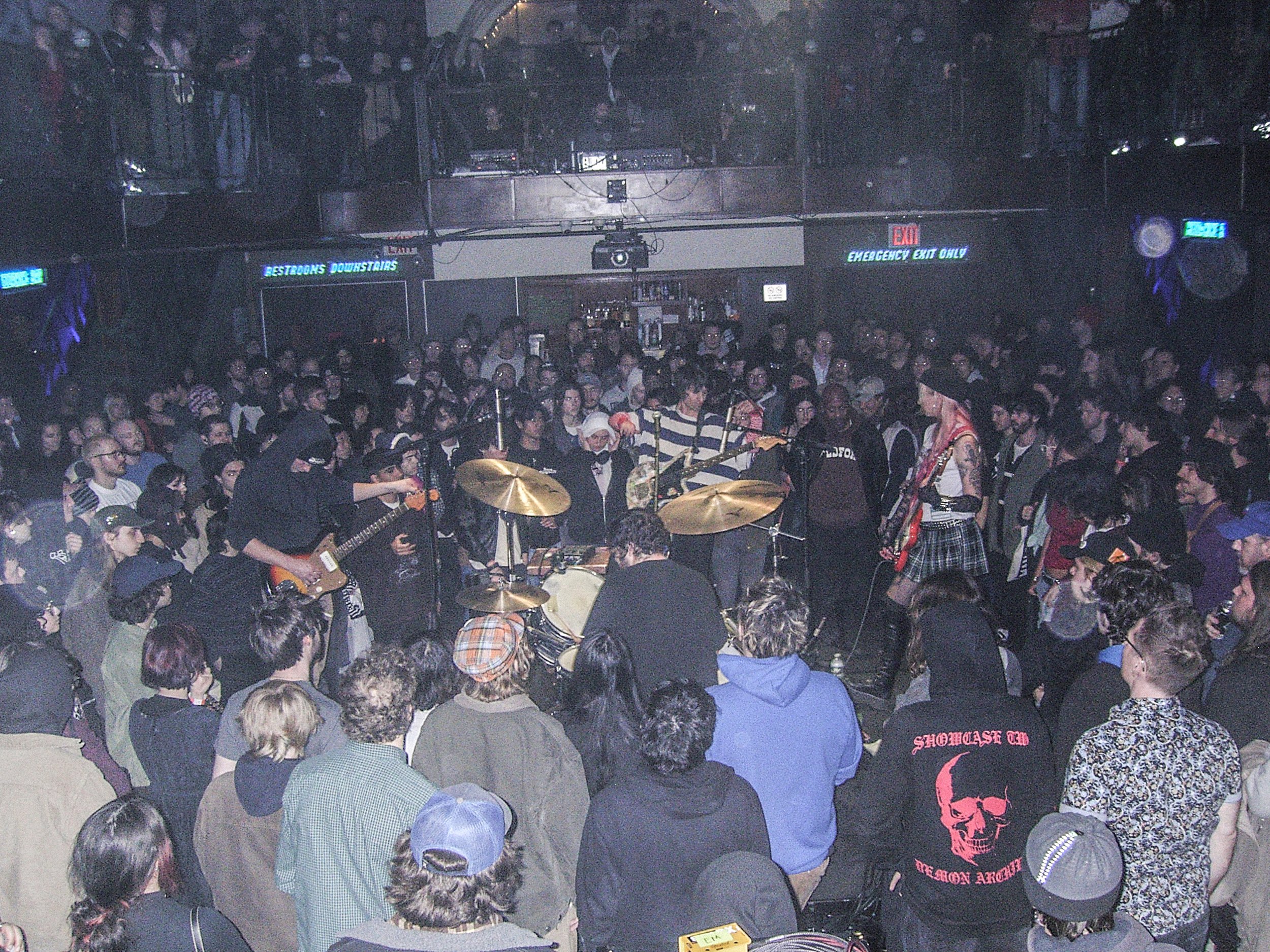
When you perform live now, especially songs from LOTTO, does the energy from the crowd, the spaces you play, or the people you meet shift how those songs feel to you?
Douglas: I cannot tell as I am turned around. Hahaha
Do you think uncertainty and precarity are essential ingredients for writing songs like yours, or is there a way to carry the same emotional weight from stability?
Douglas: holy shit, what a question. I used to believe that all art came from pain. I now know that’s simply not true. A genuine sense of safety and security allows for you to explore, and that’s necessary for growth, for finding new pathways. It’s impossible to talk about places you’ve never been. It’s hard to put your finger on things while you’re in a moment. But it’s very easy to talk about places you’ve been when you’re no longer there. Everything in retrospect makes sense, usually. Hindsight is always 20/20. Have you ever been so mad that you just leave a conversation? Nothing helps more than some time to let it all sink in. That’s life. Emotions are bigger than reality. Experience is just the right size.
We have talked before about a shared love for VHS. The way older formats seem to breathe in a way digital images never quite do. VHS and other older formats deteriorate over time, which means the images will eventually fade & degrade. Does that idea of impermanence feel important to you. When you choose a format that is already unstable, are you expressing a belief about how art should age, or are you exploring the idea that certain memories or moods are not meant to stay crisp
Douglas: I was thinking about this yesterday. I used to believe that everything was impermanent. But now I think that everything is kind of permanent, really. And let me explain myself: everything has some sort of effect, and that effect creates more effects, so on and so forth. Everything is important. And maybe that’s what makes the degradation of something like a video format so comforting. That the past fades away.
The name RL Stine carries a certain cultural weight, stories about fear, horror & mystery, things that feel familiar but also slightly unreal. Your song of the same name is grounded in a real person moving through the horrors of life. The title adds another layer that changes how the listener approaches it. What made that name feel right for this song, and once you chose it, did it shift the way you understood what the song was actually revealing to you or about you.
Douglas: So you nailed it with the meaning, haha. But also I love zeitgeists. I love things that are culturally significant. It’s fascinating to me. If there’s some massive blockbuster that everybody is talking about, I will go to the theater and watch it. And I try to reference those things, especially in song titles. Jadakiss was a whole ass cultural movement where I grew up. Diamond Dallas Page and WWE as well. I think that’s a thing too, I always try to draw from childhood.
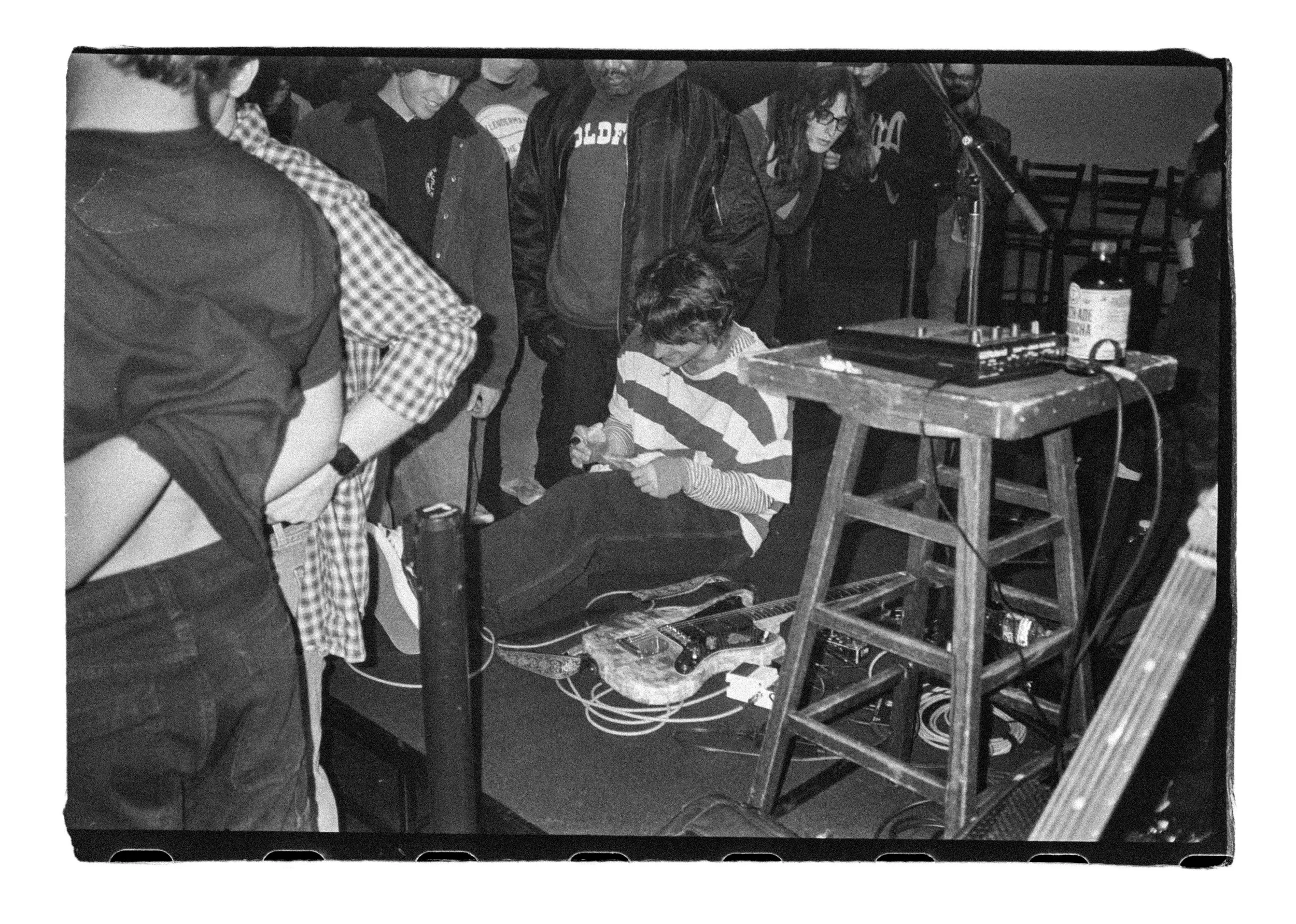
So much of your work blends sound and image and fragments of daily life that might fade with time. If you could choose one feeling or one idea that you want listeners to hold long after the visuals have degraded and the songs have settled into memory, what would that be. And why that one above everything else
Douglas: You’re a teenager. You and two friends have biked though the woods to explore an abandoned psychiatric center. It’s the summer and the sun is starting to go down, and the very idea of the cool air is refreshing to think about. Your t shirt is stuck to your body, wet. As you walk around the back of the building, paint can in your hand, ready to try your best among the other profanities on the wall that faces the woods, you notice long snakes of some type of black substance across the broken asphalt, strands of grass interrupting the jagged purpleish bulbous ground here and there. Plastic cups and bodega bags are scattered here and there, but the snakes really grab your attention the most. Alien looking. Maybe these black things are long seeds of some kind? Maybe more pieces of plastic? You walk over to them and touch one, and it degrades in your hand. Long tentacles of ash from fireworks, you realize; those shitty cheap fireworks that leave more than they start with. And then you realize, they had to have been set off before the last rainfall, and was that only two days ago? Yeah. People have been here recently. Exploring this shitty place. Painting dicks on the wall